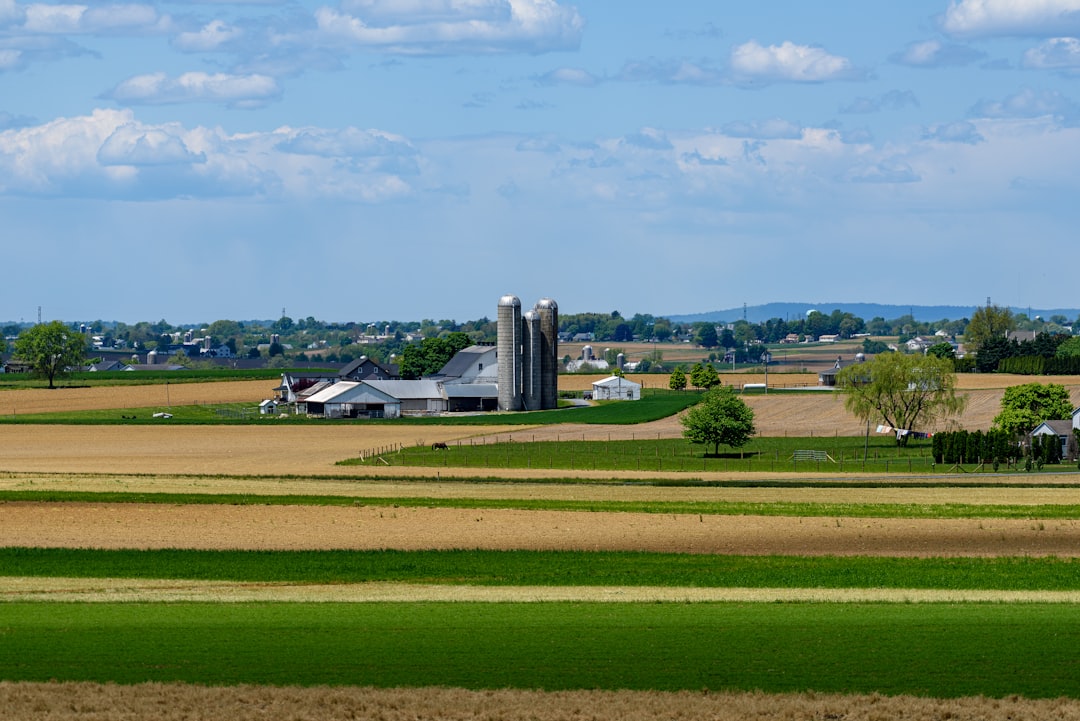
You’ve likely seen the headlines, or perhaps you’ve even felt the ripples directly in your own community: farmland prices are not just rising; they’re surging. This phenomenon isn’t a regional anomaly but a global trend, meticulously documented by agricultural economists, real estate analysts, and even national censuses. You might wonder, given the volatile nature of other asset classes, what specific forces are propelling this often-overlooked sector into the spotlight. This article will dissect the multifaceted drivers behind this escalation, offering you a comprehensive understanding of the landscape.
At its core, the increasing value of agricultural land is intrinsically linked to fundamental human needs. Farmland, unlike stocks or bonds, ultimately produces tangible goods essential for survival and modern living. You can think of it as the ultimate production facility, continually yielding indispensable commodities.
Global Population Growth: A Persistent Pressure
You are very much aware that the human population continues to expand. The United Nations projects that the global population will reach 9.7 billion by 2050. This relentless demographic growth translates directly into an escalating demand for food. Every new person requires sustenance, and that sustenance, in the vast majority of cases, originates from farmland. This isn’t a speculative trend; it’s a demographic certainty.
Urbanization’s Dual Impact
As urban centers swell, they encroach upon arable land, effectively reducing the available productive acreage while simultaneously increasing the population density that needs to be fed. You see this vividly in peri-urban areas, where sprawling developments consume what was once fertile ground. This creates a double whammy: less land to farm, more mouths to feed.
Dietary Shifts in Emerging Economies
As disposable incomes rise in developing nations, a common trend you’ll observe is a shift towards more protein-rich diets. This means a greater demand for meat, dairy, and eggs. Producing these animal products requires substantially more land per calorie than producing plant-based foods, due to the energy loss at each trophic level. Livestock raising consumes vast quantities of feed crops, placing further pressure on existing farmland.
The Biofuel Imperative: A Contested Competitor
The push for renewable energy sources has introduced a significant new competitor for arable land: biofuel production. You might view this as a necessary step towards a greener future, but it has undeniably altered the demand dynamics for certain crops.
Ethanol Production: Corn as a Commodity and Fuel
In countries like the United States, a substantial portion of the corn harvest is diverted to ethanol production. This policy, designed to reduce reliance on fossil fuels, directly competes with food production for the same agricultural commodity. When you see corn prices climb, you’re observing this tension play out in the marketplace.
Palm Oil and Rapeseed: Global Biofuel Feedstocks
Beyond corn, crops like palm oil in Southeast Asia and rapeseed in Europe are extensively used for biodiesel. The expansion of these crops often comes at the expense of natural ecosystems or other food crops, creating intricate land-use conflicts that directly impact farmland values in these regions.
Fiber and Other Industrial Uses: Beyond Food and Fuel
Farmland isn’t solely dedicated to food and fuel. You’ll find a range of industrial applications that also contribute to the demand for agricultural produce and, by extension, the land it grows on.
Cotton and Natural Fibers
Despite the rise of synthetic alternatives, natural fibers like cotton remain in high demand globally. Cultivating cotton requires extensive land and water resources, adding another layer to the competitive landscape for agricultural acreage.
Specialty Crops for Pharmaceuticals and Cosmetics
An often-overlooked segment is the cultivation of specialty crops for pharmaceutical ingredients, cosmetics, and other industrial applications. While these might not consume vast swaths of land like staple crops, they represent highly lucrative niches that can drive up land values in specific, suitable regions.
The recent surge in farmland prices has raised numerous questions about the factors driving this trend, including increased demand for agricultural products and the impact of inflation on asset values. For a deeper understanding of the economic forces at play, you can explore a related article that discusses the implications of rising farmland prices and how they affect investors and farmers alike. Check it out here: Why farmland prices are exploding.
Investment Horizons: A Safe Haven and Growth Asset
Beyond the intrinsic demand for its output, farmland has increasingly caught the eye of investors, both institutional and individual, who see it as a stable asset class with attractive returns. You might consider it a tangible alternative to the volatility of stock markets or the low yields of traditional bonds.
Inflation Hedging: A Tangible Shield
In periods of economic uncertainty and rising inflation, investors often seek out assets that can retain their real value. Farmland has historically proven to be an effective hedge against inflation. You own a productive asset whose output – food – will always be in demand, and whose value tends to appreciate with the cost of living. It’s a reliable harbor in stormy economic seas.
Scarcity and Inelastic Supply
The fundamental principle here is scarcity. You cannot create more land. While technology can improve yields, the physical amount of arable land is finite. This inelastic supply, coupled with persistent demand, forms a powerful upward pressure on prices, especially in an inflationary environment.
Real Asset with Intrinsic Value
Unlike financial instruments that derive their value from promises or abstractions, farmland is a real asset. It’s something you can touch, walk on, and witness its productive capacity. This tangibility offers a psychological comfort and a fundamental stability that appeals to many investors seeking refuge from speculative markets.
Institutional Investment: The Rise of “Big Ag” Ownership
You may have observed or heard that large institutional players are increasingly entering the agricultural land market. Pension funds, sovereign wealth funds, and private equity firms are deploying substantial capital into this sector.
Pension Funds and Long-Term Returns
Pension funds, with their long-term liabilities, are particularly attracted to farmland due to its history of stable, consistent returns and its low correlation with other asset classes. They aren’t looking for quick speculative gains; they’re seeking reliable, inflation-adjusted returns over decades. You can understand why such entities would find farmland a compelling component of their diversified portfolios.
Private Equity’s Strategic Acquisitions
Private equity firms often acquire farmland with a more active management approach, aiming to improve operational efficiencies, consolidate holdings, and potentially increase asset value through strategic improvements or aggregation. They bring capital and business acumen to the agricultural sector, further fueling demand.
Individual Investor Interest: The “Land Rush” Phenomenon
It’s not just the big players. You, or people you know, might be considering farmland as a personal investment. This “land rush” by individual investors contributes significantly to the market’s upward trajectory.
Lifestyle and Legacy Purchases
For some, buying farmland isn’t purely a financial decision. It’s an investment in a lifestyle, an inheritance for future generations, or a tangible connection to the land. You might envision yourself as a steward of the land, rather than just an owner of an asset. These motivations, while not strictly economic, still translate into demand in the marketplace.
Local Market Dynamics
Local investor interest can surge when cash is plentiful, for example, after strong harvests or successful business ventures. Farmers often reinvest their profits into additional land, solidifying their operations and driving up local market prices for their neighbors.
Macroeconomic Tailwinds: Favorable Financial Conditions
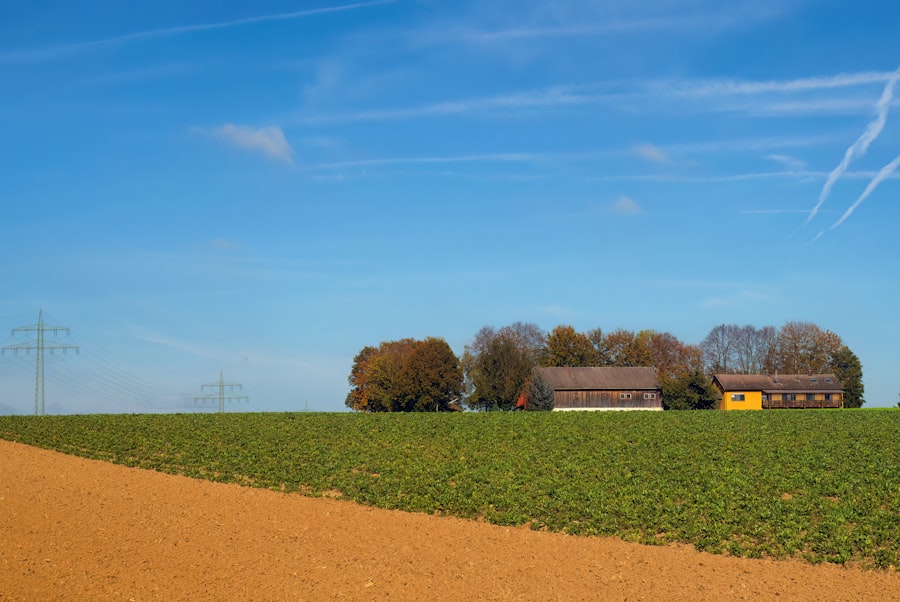
The broader economic environment plays a crucial role in amplifying the demand for farmland. You can think of it as the prevailing wind, either pushing or pulling on the sails of the farmland market.
Low Interest Rates: Fueling Borrowing Power
For an extended period, global interest rates have remained historically low. This makes borrowing money cheaper, enabling farmers and investors to acquire land with more manageable debt service. When the cost of capital is low, the perceived value of land—which is often purchased through financing—increases.
Accessibility of Credit for Agricultural Investment
Financial institutions, seeing the stability of agricultural assets, have often been willing to lend against farmland. This accessibility of credit facilitates purchases that might otherwise be out of reach for many, further boosting demand.
Opportunity Cost of Other Investments
When bond yields are low, and stock market volatility is high, the relatively stable and often appreciating nature of farmland becomes even more attractive. You might see the opportunity cost of investing elsewhere as too high, making farmland a more compelling choice.
Government Subsidies and Policy Support: A Helping Hand
Government policies often provide a safety net and incentivization for agricultural production, indirectly supporting farmland values. You might view these as strategic interventions to ensure food security or bolster rural economies.
Direct Payments and Crop Insurance
Subsidies and crop insurance programs reduce the financial risk associated with farming, making it a more stable enterprise. When the risks are mitigated, the underlying asset—the land—becomes more valuable in the eyes of both farmers and investors.
Conservation Programs and Land Values
Some government programs incentivize conservation practices, which can sometimes remove land from active production or dictate certain land-use patterns. While this can impact localized markets, the overarching effect of supporting sustainable agriculture can enhance general confidence in the sector, indirectly benefiting land values.
Technological Advancements and Efficiency Gains: The Green Revolution 2.0
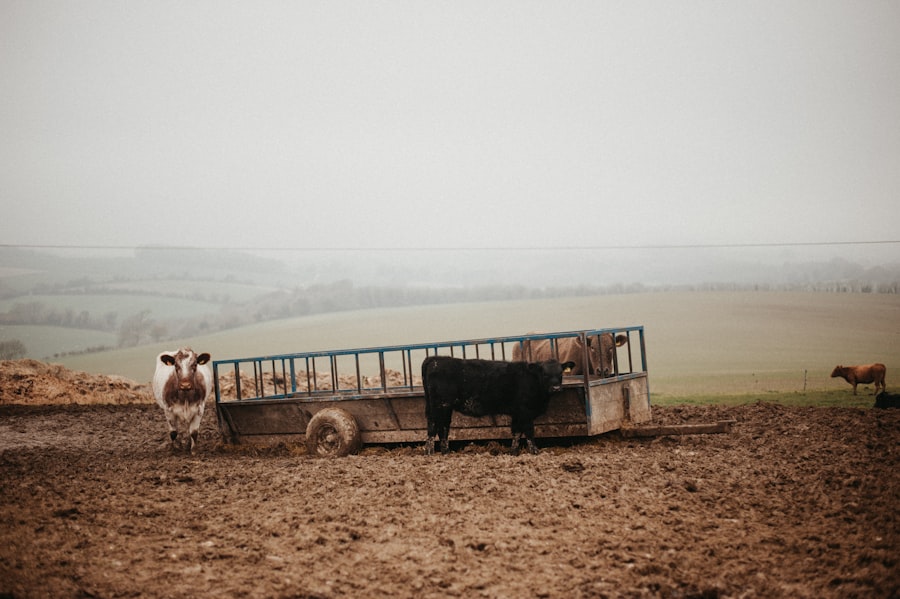
The ongoing evolution of agricultural technology is not just about increasing yields; it’s also about making farming more profitable and efficient, which in turn enhances the value of the land itself. You are witnessing a new agricultural revolution unfold.
Precision Agriculture: Maximizing Output, Minimizing Waste
The advent of precision agriculture, utilizing GPS, drones, sensors, and data analytics, allows farmers to manage their operations with unprecedented accuracy. This means optimizing fertilizer application, irrigation, and pest control.
Increased Yields and Profit Margins
By applying inputs more precisely, farmers can achieve higher yields while potentially reducing costs, leading to improved profit margins. When land becomes more productive and profitable, its market value naturally increases. You can see how this direct correlation plays out.
Data-Driven Land Management
The ability to collect and analyze vast amounts of data about soil conditions, crop health, and weather patterns allows for more informed decision-making, transforming farming from an art into a more exact science. This data-driven approach enhances the intrinsic value of well-managed land.
Biotechnology and Improved Crop Varieties: Resilience and Productivity
Advances in biotechnology have led to the development of crop varieties that are more resilient to pests, diseases, and extreme weather, as well as those that offer higher yields or improved nutritional content.
Drought and Disease Resistant Crops
In a world increasingly facing climate change, the ability to grow crops that can withstand harsher conditions adds immense value to farmland, especially in vulnerable regions. You can cultivate crops in areas previously deemed too risky.
Enhanced Nutritional Output
Developing crops with higher nutritional value can command better prices in the market, further boosting profitability and, consequently, the value of the land where they are grown.
The recent surge in farmland prices can be attributed to a variety of factors, including increased demand for agricultural products and rising interest from investors seeking stable assets. For a deeper understanding of the economic trends influencing this phenomenon, you might find it helpful to read a related article that discusses the broader implications of these price changes. Exploring these insights can provide valuable context for anyone interested in the dynamics of farmland investment. You can check out the article here: How Wealth Grows.
What This Means for You: Navigating the Landscape
| Factor | Description | Impact on Farmland Prices | Example Metrics |
|---|---|---|---|
| Increased Demand for Food | Growing global population and changing diets increase the need for agricultural production. | Higher demand for farmland to grow crops and raise livestock. | World population growth rate: ~1.1% per year Global food demand increase: 50% by 2050 |
| Low Interest Rates | Lower borrowing costs make it easier to finance farmland purchases. | More buyers enter the market, driving up prices. | Average mortgage interest rate: 3-4% (recent years) |
| Investment Demand | Farmland seen as a stable, inflation-hedged asset attracting institutional investors. | Increased competition for farmland, pushing prices higher. | Farmland investment funds growth: 10-15% annually |
| Government Policies | Subsidies, tax incentives, and land use regulations affect farmland value. | Policies can increase farmland profitability and attractiveness. | Subsidy payments to farmers: billions annually in major agricultural countries |
| Urban Expansion | Conversion of farmland to residential and commercial use reduces available farmland. | Scarcity of farmland increases remaining land value. | Annual farmland loss to development: 1-2% in some regions |
| Technological Advances | Improved farming techniques increase land productivity. | Higher productivity raises farmland value. | Yield increases: 1-2% per year for major crops |
The surging demand for farmland isn’t a fleeting trend; it’s a deeply rooted phenomenon driven by global fundamentals. What does this mean for you, whether you’re a current landowner, a prospective buyer, or simply an observer of economic trends?
For Current Landowners: Strategic Decisions
If you own farmland, you are holding a valuable asset. You might be considering whether to hold, expand, or sell. Understanding these drivers allows you to make informed decisions about your property’s present and future value, potentially leveraging this demand for your benefit.
Succession Planning and Estate Value
The increasing value of farmland significantly impacts estate planning and intergenerational transfers. You are likely dealing with a much more valuable asset than generations past, which brings both opportunities and complexities.
Leasing and Rental Income Potential
With higher land values, you might also see an increased demand for leased land, potentially driving up rental rates and providing a stable income stream if you choose not to farm the land yourself.
For Prospective Buyers: A Challenging Market
If you’re looking to acquire farmland, you’re entering a competitive market characterized by high prices. You’ll need a clear strategy and a robust financial plan.
Due Diligence and Long-Term Vision
Thorough due diligence regarding soil quality, water rights, zoning, and local market conditions is more critical than ever. You need a clear understanding of the land’s productive capacity and its potential for long-term appreciation.
Alternative Acquisition Strategies
Given the high outright purchase costs, you might explore alternative strategies such as leasing with an option to buy, or investing in agricultural REITs (Real Estate Investment Trusts) if direct ownership is not feasible. You can still gain exposure to the sector without directly owning a parcel.
In conclusion, the surge in farmland prices is a complex tapestry woven from immediate human needs, long-term investment strategies, favorable economic conditions, and continuous technological advancements. You are witnessing the confluence of these powerful forces, shaping not just the agricultural sector, but global economies and landscapes for the foreseeable future.
FAQs
1. What factors are contributing to the rapid increase in farmland prices?
Several factors are driving the surge in farmland prices, including increased demand for agricultural products, low interest rates making land purchases more affordable, limited availability of farmland, and investment interest from institutional buyers seeking stable returns.
2. How does farmland price growth impact farmers and agricultural production?
Rising farmland prices can make it more difficult for new and small-scale farmers to enter the market due to higher costs. However, existing landowners may benefit from increased asset values. The impact on production varies, but higher land costs can lead to increased operational expenses.
3. Are there regional differences in farmland price increases?
Yes, farmland price growth varies by region depending on factors such as soil quality, climate, crop types, local demand, and proximity to markets. Some regions with high productivity or favorable conditions may see more significant price increases than others.
4. How do government policies influence farmland prices?
Government policies, including subsidies, tax incentives, zoning regulations, and conservation programs, can affect farmland values. Policies that support agricultural profitability or restrict land development can contribute to higher farmland prices.
5. What role do investors play in the rising farmland market?
Investors, including institutional funds and private equity, have increasingly viewed farmland as a stable, long-term investment. Their participation can drive up prices by increasing demand, especially in markets with limited land availability.