
Private equity’s foray into the senior care sector is a complex phenomenon, akin to a seasoned investor entering a new market with both promises of efficiency and the potential for disruption. You’ve likely seen the headlines, perhaps read articles, or even been touched by the ripple effects of these financial titans acquiring and managing facilities that serve some of society’s most vulnerable populations. This article aims to dissect this impact, stripping away the jargon and offering a clear-eyed assessment of what private equity’s involvement means for residents, staff, and the very fabric of senior care.
When private equity firms set their sights on senior care, it’s often driven by an eye for growth and profitability. These firms, which pool capital from institutional investors and high-net-worth individuals, see a sector with consistent demand, fueled by an aging global population. They often aim to buy companies, implement operational changes, and then sell them for a profit within a defined timeframe, typically five to seven years.
The Allure of an Aging Demographic
You are witnessing a demographic shift of unprecedented scale. The baby boomer generation, a cohort characterized by its sheer size and purchasing power, is steadily entering its senior years. This demographic surge creates a growing need for assisted living, skilled nursing facilities, and memory care services. This predictable demand forms the bedrock of the financial appeal.
Promises of Efficiency and Modernization
Private equity’s proponents often argue that their involvement brings much-needed capital and expertise to an industry that may have been underfunded or slow to adapt. They might point to investments in new technologies, facility upgrades, and the streamlining of administrative processes. This can be likened to pouring fresh water into a well that has been a little stagnant, potentially leading to a more robust and modern operation.
The Drive for Returns: A Fundamental Question
However, it’s crucial to understand that the primary objective of private equity is not altruism; it is financial return for its investors. This fundamental driver can create inherent tensions when the goals of profit maximization clash with the compassionate and resident-centered nature of senior care. You will find that the pursuit of these returns often dictates the operational decisions made within these facilities.
The increasing trend of private equity firms taking over senior care facilities has raised concerns about the quality of care provided to the elderly. A related article that delves into the implications of this shift can be found at How Wealth Grows, which discusses the financial motivations behind these acquisitions and their potential impact on both residents and staff. As the landscape of senior care continues to evolve, understanding these dynamics is crucial for families seeking the best options for their loved ones.
Operational Restructuring: The Pursuit of Leaner Models
Once a private equity firm acquires a senior care provider, a period of operational restructuring often follows. This is where the “value creation” strategies are implemented, which can translate into significant changes for the day-to-day running of facilities.
Cost Optimization: A Necessary Evil or a Detriment?
A primary focus for private equity is cost optimization. This can involve scrutinizing every line item, from staffing levels to purchasing agreements. While some cost-saving measures might be genuinely beneficial and lead to greater efficiency, others can have a direct impact on the quality of care.
Staffing Ratios: The Human Element Under Pressure
Perhaps one of the most scrutinized areas is staffing. Private equity firms may seek to reduce the number of staff members per resident, arguing for greater efficiency through better scheduling or technology. This can lead to a situation where nurses and caregivers are stretched too thin, impacting their ability to provide individualized attention and timely care. You might notice a subtle shift in the attention each resident receives, a quiet indicator of increased workloads. This is like trying to stretch a single thread to cover a larger tapestry; it might hold, but the weave becomes thinner.
Supply Chain Management: Economies of Scale
Private equity can leverage its size and purchasing power to negotiate better deals with suppliers for everything from food and linens to medical equipment. This can lead to significant cost savings, and if managed carefully, may not negatively impact the quality of goods and services procured.
Centralization of Services: Streamlining Operations
Many private equity-backed companies centralize administrative functions, such as billing, human resources, or procurement, across multiple facilities. This can reduce redundant overhead and create economies of scale, potentially freeing up on-site management to focus more on resident care. However, the risk here is that too much centralization can lead to a “one-size-fits-all” approach that doesn’t account for the unique needs of individual facilities or their residents.
Technology Integration: Enhancing or Replacing Human Touch?
Private equity often invests in technology, aiming to improve efficiency and monitor performance. This can include electronic health records, resident monitoring systems, or even AI-powered tools for administrative tasks.
Electronic Health Records (EHRs): Streamlining Information Flow
The adoption of EHRs can indeed improve the flow of information between caregivers, doctors, and other healthcare providers. This can lead to more informed decision-making and better coordinated care.
Resident Monitoring Systems: A Balancing Act
Technology like motion sensors or wearable devices can help monitor residents for falls or other emergencies, potentially improving safety. However, overreliance on such systems can also lead to a depersonalization of care and a feeling of constant surveillance for residents. You might observe that technology is increasingly present in the environment, a silent sentinel in the quest for efficiency and safety.
Impact on Residents: The Lived Experience
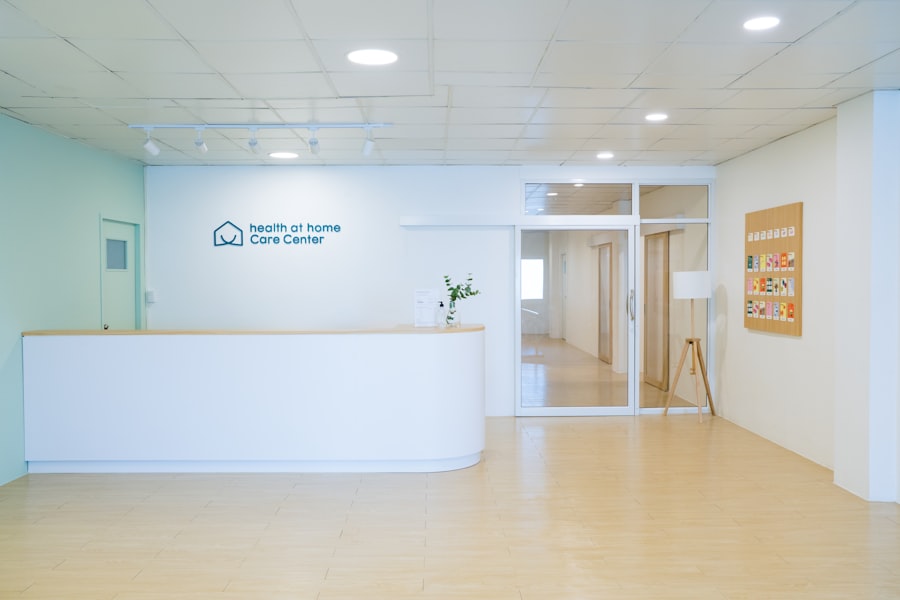
Ultimately, the most profound impact of private equity’s involvement is felt by the residents themselves. Their daily lives, their comfort, and their well-being are directly affected by the financial decisions made by distant investors.
Quality of Care: A Shifting Landscape
The debate over whether private equity improves or degrades the quality of care is ongoing and complex. While some studies have shown no significant decline, others have indicated a correlation between private equity ownership and increased resident complaints, medication errors, and even mortality rates. This is a delicate balance, like navigating a rocky coastline; the direction of travel matters significantly.
Resident Satisfaction: A Metric That Matters
Resident satisfaction surveys and direct feedback from families are invaluable indicators of the quality of life experienced within senior care facilities. Changes in staffing, the availability of activities, and the overall atmosphere can significantly influence these metrics.
Incident Reports and Safety Concerns
An increase in incident reports, such as falls, pressure ulcers, or unexplained bruises, can be a red flag indicating potential understaffing or a decline in the vigilance of caregivers. Private equity’s focus on cost reduction can, in some instances, contribute to these concerning trends.
Access to Services: Affordability and Availability
Private equity’s influence can also impact the affordability and accessibility of senior care services.
Price Increases: The Cost of Profit
Private equity firms often seek to increase the revenue generated by the facilities they acquire. This can lead to higher fees for residents and their families, potentially making quality care less accessible for those with limited financial resources.
Availability of Specialized Care
In some cases, private equity might divest or consolidate services that are less profitable, potentially reducing the availability of specialized care options, such as memory care or palliative care, in certain areas.
Impact on Staff: The Frontline Workforce

The caregivers, nurses, and support staff are the backbone of senior care. Their experiences working within private equity-owned facilities are crucial to understanding the sector’s evolving landscape.
Working Conditions: The Lived Reality of Caregivers
The financial pressures inherent in private equity ownership can significantly impact the working conditions for care staff.
Wage Stagnation or Reductions
In the pursuit of cost savings, wages for direct care workers may stagnate or even be reduced. This can lead to lower staff morale, higher turnover rates, and difficulty in attracting and retaining qualified personnel.
Increased Workload and Burnout
As mentioned earlier, reduced staffing levels directly translate to increased workloads for the remaining staff. This can lead to physical and emotional burnout, impacting their ability to provide compassionate care. Imagine a single firefighter trying to put out multiple blazes simultaneously; exhaustion is inevitable.
Unions and Collective Bargaining: A Counterbalance?
The presence of unions and the strength of collective bargaining can play a significant role in mitigating some of the negative impacts of private equity on staff. Unions can advocate for better wages, benefits, and staffing ratios, acting as a crucial counterbalance to the drive for profit.
Staff Turnover: The Revolving Door Effect
High staff turnover is a pervasive problem in the senior care industry, and private equity ownership can exacerbate it. When working conditions are poor and wages are low, experienced staff are more likely to seek employment elsewhere, leading to a constant cycle of hiring and training new personnel. This has a domino effect, impacting the consistency and quality of care for residents.
The increasing trend of private equity firms taking over senior care facilities has raised concerns about the quality of care provided to the elderly. Many experts argue that the profit-driven motives of these firms can lead to cost-cutting measures that may compromise the well-being of residents. For a deeper understanding of the implications of this trend, you can read a related article that explores the financial dynamics and potential impacts on care standards in the industry. To learn more, visit this insightful article.
Regulatory Scrutiny and Future Implications
| Metric | Value | Year | Notes |
|---|---|---|---|
| Percentage of Senior Care Facilities Owned by Private Equity | 30% | 2023 | Estimated share of senior care facilities under private equity ownership in the US |
| Average Annual Revenue Growth of PE-Owned Senior Care Facilities | 8% | 2022-2023 | Growth rate compared to 4% in non-PE-owned facilities |
| Average Staff-to-Resident Ratio in PE-Owned Facilities | 1:8 | 2023 | Lower than the industry average of 1:6 |
| Reported Quality Complaints per 100 Facilities | 15 | 2023 | Higher than 9 complaints per 100 in non-PE-owned facilities |
| Average Length of Private Equity Ownership | 5 years | 2023 | Typical holding period before exit or sale |
| Investment in Facility Upgrades by PE Firms | 12% | 2022 | Percentage of revenue reinvested into physical upgrades |
The growing influence of private equity in critical sectors like senior care has not gone unnoticed by regulators and policymakers. There is an increasing awareness of the need to ensure that financial motivations do not compromise the well-being of vulnerable populations.
Increased Oversight and Transparency
There is a growing call for increased oversight and transparency regarding private equity ownership in healthcare sectors. This includes demanding more detailed financial reporting and closer monitoring of care quality metrics. You might see a tightening of the leash, so to speak, as governing bodies seek to understand and influence the direction of these major players.
Policy Debates and Potential Reforms
Policymakers are actively debating potential reforms to address the challenges posed by private equity. These could include stricter regulations on staffing ratios, limitations on profit repatriation, or increased disclosure requirements for private equity firms. The conversation is about ensuring that the fundamental mission of care remains paramount.
The Long-Term Sustainability of the Model
The long-term sustainability of private equity’s model in senior care remains a subject of ongoing evaluation. If the pursuit of profit consistently leads to a decline in the quality of care and adverse outcomes for residents, it could ultimately prove to be a self-defeating strategy. The market will eventually react, and the reputation of those involved will be tested.
In conclusion, private equity’s impact on senior care is a multifaceted issue, marked by both potential benefits and significant risks. While the influx of capital can drive modernization and efficiency, the inherent pressure for financial returns can create a precarious balance where the well-being of residents and the support of caregivers are put to the test. As you continue to observe this evolving landscape, it is essential to remain vigilant, question the narrative, and advocate for a future where profit and compassionate care can, and must, coexist.
FAQs
What is private equity’s role in senior care?
Private equity firms invest in senior care facilities and services, often acquiring nursing homes, assisted living centers, and home care providers to improve operations and generate financial returns.
How has private equity impacted the quality of senior care?
The impact varies; some private equity investments have led to improved efficiency and expanded services, while others have faced criticism for cost-cutting measures that may affect care quality.
Why are private equity firms interested in the senior care industry?
The senior care sector is growing due to an aging population, offering significant market opportunities and potential for steady returns, making it attractive to private equity investors.
What are common concerns about private equity ownership in senior care?
Concerns include reduced staffing levels, prioritization of profits over patient care, increased costs for residents, and potential declines in service quality.
How does private equity ownership affect senior care employees?
Private equity ownership can lead to changes in management practices, staffing, and wages, which may result in job restructuring, layoffs, or altered working conditions for employees.