
You stand on the precipice of a shifting investment landscape, one where the traditional titans of finance are turning their gaze away from the glittering skyscrapers of urban centers and towards the fertile fields of rural America and beyond. This isn’t a whimsical stroll through the countryside; it’s a calculated maneuver, a strategic pivot. The appeal of farmland for Wall Street, a surprising yet increasingly dominant theme, represents a blend of age-old wisdom and modern financial ingenuity. You’re witnessing the convergence of capital and cultivation, and understanding this phenomenon requires you to delve into the fundamental drivers, the intricate mechanisms, and the potential implications of this powerful trend.
You might wonder why an asset as seemingly slow and traditional as farmland would attract the dynamic, often volatile, world of Wall Street. The answer lies in its intrinsic resilience and its unique position within the broader economic ecosystem. Unlike many financial instruments, farmland offers a tangibility that resonates deeply in an era of digital assets and fleeting market sentiment.
A Hedge Against Inflation
Imagine inflation as a relentless current, eroding the purchasing power of your carefully accumulated wealth. Farmland, you will find, acts as a sturdy breakwater against this erosion.
- Real Asset Store of Value: When you invest in farmland, you’re not just buying a piece of paper; you’re acquiring a physical asset with inherent utility. The land itself holds value, and the commodities it produces – food, fiber, and increasingly, fuel – are essential and thus demand predictable pricing. As the cost of living rises, so often does the value of these agricultural outputs, providing a natural hedge against inflationary pressures. Your capital, therefore, retains its relative value, offering a crucial layer of protection in an unpredictable economic environment.
- Commodity Price Appreciation: The price of agricultural commodities is intricately linked to global demand and supply dynamics. As the world’s population continues to grow, and as developing economies urbanize and their diets evolve, the demand for food and agricultural products is projected to increase significantly. This sustained demand places upward pressure on commodity prices, translating into higher revenues for farmers and, consequently, greater returns for landowners. You are, in essence, investing in the fundamental human need for sustenance.
- Limited Supply and Growing Demand: Unlike manufactured goods, whose supply can be scaled up with relative ease, the amount of arable land on Earth is finite. This scarcity, coupled with the aforementioned growing global demand for agricultural products, creates a powerful economic dynamic. You are investing in a resource that cannot be replicated, a finite canvas against an ever-expanding human appetite. This inherent scarcity provides a strong underpinning for long-term value appreciation.
Low Volatility and Diversification Benefits
Consider the tumultuous swings of the stock market, the sudden corrections, and the unpredictable forces that can wipe out significant portions of your portfolio in a single trading session. Farmland, you will observe, offers a stark contrast.
- Decoupling from Traditional Financial Markets: Farmland’s value often moves independently of the broader stock and bond markets. This low correlation makes it an excellent diversification tool. When your other investments are experiencing turbulence, farmland can provide a stabilizing anchor, smoothing out overall portfolio volatility. You are adding a different rhythm, a slower, more deliberate beat, to the often-frenzied symphony of financial markets.
- Predictable Cash Flows from Leases and Production: While agricultural yields can vary due to weather and other factors, the underlying cash flow from farmland is often more predictable than many other asset classes. You can derive income from leasing the land to farmers, a relatively stable stream of payments, or directly from the sale of crops and produce. This consistent income stream, even if cyclical, offers a level of financial predictability that appeals to institutional investors seeking reliable returns.
- Historical Performance During Downturns: Historically, farmland has demonstrated a remarkable ability to weather economic downturns. During recessions, while other assets may plummet, farmland has often maintained or even increased its value. This resilience stems from the enduring demand for food and the inherent value of productive land. You are investing in a foundational necessity, a bedrock of economic activity that tends to resist the more superficial tremors of financial crises.
In recent discussions about investment trends, an intriguing article titled “Why Wall Street Is Buying Farmland” highlights the growing interest of institutional investors in agricultural assets as a hedge against inflation and market volatility. For those looking to explore this topic further, you can find additional insights in a related article at How Wealth Grows, which delves into the financial implications and potential benefits of investing in farmland as part of a diversified portfolio.
Capitalizing on Global Megatrends: The Long Game
Wall Street’s interest in farmland is not merely a tactical maneuver; it’s a strategic embrace of several overarching global megatrends that are reshaping the world you inhabit. These long-term forces create a compelling narrative for sustainable growth in the agricultural sector.
Population Growth and Food Security
You live in a world where the human population continues its inexorable march upward. This demographic reality places immense pressure on our global food systems, and farmland is at the very heart of the solution.
- Increasing Demand for Agricultural Products: As the global population heads towards an estimated 9.7 billion by 2050, the demand for food, feed, fiber, and biofuel is projected to surge. You are witnessing a direct cause-and-effect relationship: more people necessitate more agricultural output. This fundamental demographic shift underpins the long-term viability and growth potential of farmland investments.
- Challenges of Feeding a Growing World: The task of feeding this expanding populace is fraught with challenges, including climate change, water scarcity, and diminishing arable land. These challenges, however, also create opportunities for investors who can bring capital, technology, and efficient management practices to bear. You are investing not just in land, but in the solution to one of humanity’s most pressing problems.
- Shift Towards More Protein-Rich Diets: As developing economies prosper, their populations often shift towards more protein-rich diets, increasing the demand for meat and dairy products. This, in turn, drives the demand for feed grains, further enhancing the value of crop-producing land. You are observing a dietary evolution that translates directly into agricultural demand.
Scarcity of Arable Land
The land beneath your feet, particularly the land capable of sustaining agricultural production, is a finite and increasingly precious resource. Wall Street recognizes this fundamental truth.
- Limited Supply of Productive Land Globally: The amount of land suitable for farming is finite, and a significant portion of it is already in use. Urbanization, desertification, and environmental degradation further reduce the available productive acreage. You are confronting a non-renewable resource, a terrestrial constraint that naturally drives up its value.
- Conversion of Farmland for Other Uses: As cities expand and infrastructure projects proliferate, prime agricultural land is often converted to other uses, further exacerbating the scarcity issue. This ongoing erosion of the agricultural land base serves to amplify the value of remaining productive areas. You are witnessing a zero-sum game, where every acre lost to urban sprawl enhances the value of every acre preserved for cultivation.
- Climate Change and Land Degradation: Climate change presents a double-edged sword. While it introduces risks through extreme weather events, it also intensifies the pressures on existing productive land, making well-managed, resilient farmland even more valuable. You are observing how environmental challenges ironically underscore the importance of this foundational asset.
Operational Efficiencies and Technological Integration: The Modern Farm

The image of a lone farmer toiling in the fields, while romantic, doesn’t fully capture the sophisticated reality of modern agriculture. Wall Street isn’t just buying dirt; it’s investing in the potential for optimized operations and the application of cutting-edge technology.
Economies of Scale and Professional Management
You might think of farming as a highly fragmented industry, dominated by small, family-owned operations. While this largely remains true, institutional involvement brings the benefit of scale and sophisticated management.
- Consolidation of Land Holdings: Large institutional investors can acquire multiple parcels of land, assembling them into larger, more efficient operating units. This consolidation allows for economies of scale in purchasing inputs, utilizing machinery, and marketing produce. You are observing the application of corporate efficiency models to an age-old industry.
- Access to Capital for Modernization: Individual farmers often face challenges in securing the capital needed for significant investments in advanced machinery, irrigation systems, and sustainable practices. Wall Street, with its deep pockets, can provide this crucial capital, leading to more productive and profitable operations. You are witnessing the infusion of substantial financial resources into a sector often starved for investment.
- Professionalization of Farm Management: Institutional ownership often brings with it a more professional and data-driven approach to farm management. This includes sophisticated financial analysis, risk management strategies, and optimal crop rotation planning, leading to enhanced yields and profitability. You are observing the transfer of corporate best practices to the agricultural domain.
Precision Agriculture and Data Analytics
The farm of today, particularly those backed by institutional capital, is increasingly a hub of technological innovation. You are witnessing the transformation of agriculture into a precision science.
- GPS-Guided Equipment and Automated Systems: Modern farms employ GPS-guided tractors and automated planting and harvesting equipment that increase efficiency, reduce waste, and optimize resource allocation. These technologies allow for precise application of fertilizers and pesticides, minimizing environmental impact while maximizing yields. You are seeing the merging of advanced robotics and traditional cultivation.
- Soil Monitoring and Remote Sensing: Advanced sensors and drone technology provide real-time data on soil health, moisture levels, and crop vigor. This data allows for hyper-localized adjustments to irrigation and fertilization, optimizing growth and conserving resources. You are observing the digitization of the very soil beneath your feet.
- Big Data for Optimized Yields and Risk Management: The vast amount of data collected from precision agriculture is analyzed to identify patterns, predict outcomes, and refine farming practices. This data-driven approach allows for better risk management – mitigating the impact of adverse weather or disease – and ultimately, for maximizing yields and profitability. You are witnessing the application of data science to the art of farming.
Sustainability and ESG Investing: A New Frontier
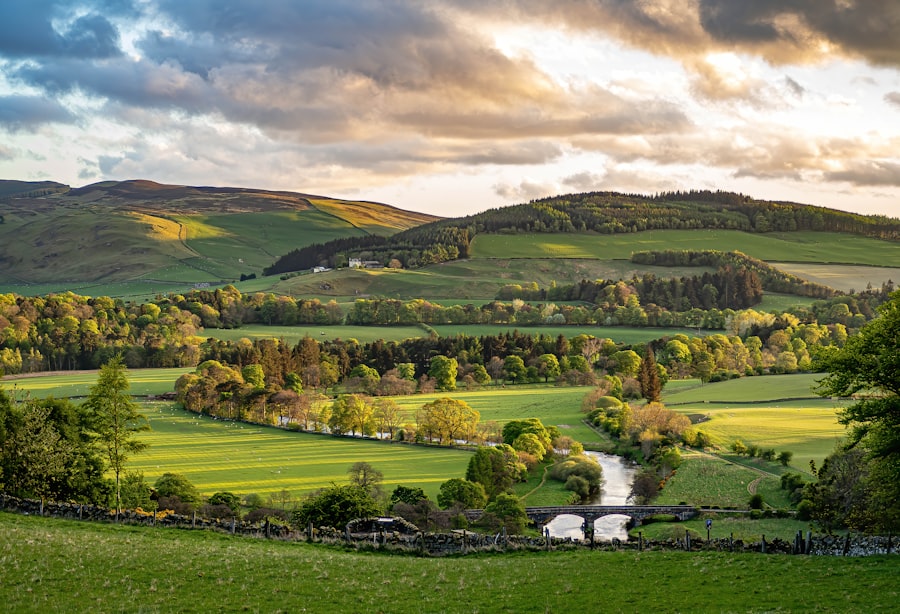
As you navigate the complexities of modern finance, you will encounter the growing imperative of Environmental, Social, and Governance (ESG) investing. Farmland presents an unexpected, yet powerful, avenue for aligning financial returns with sustainable practices. Wall Street is increasingly aware that long-term value is intertwined with responsible stewardship.
Sustainable and Regenerative Agriculture Practices
The move towards sustainable farming is not merely an ethical choice; it’s an economic Imperative. Wall Street recognizes that the long-term productivity and value of farmland depend on healthy ecosystems.
- Carbon Sequestration in Soil: Regenerative agricultural practices, such as cover cropping, no-till farming, and managed grazing, can significantly increase the organic carbon content of soil. This process, known as carbon sequestration, removes carbon dioxide from the atmosphere, helping to mitigate climate change. You are investing in a literal carbon sink, a natural solution to a global problem.
- Water Conservation and Efficiency: Institutional investors are increasingly prioritizing efficient water management systems, such as drip irrigation and rainwater harvesting, to reduce water consumption and ensure long-term sustainability, particularly in water-stressed regions. You are witnessing the conscious implementation of resource-saving technologies.
- Biodiversity Enhancement and Ecosystem Services: Sustainable farming also focuses on enhancing biodiversity, promoting healthy ecosystems on and around farmlands. This includes creating buffer zones, protecting pollinators, and reducing reliance on synthetic inputs, which can improve overall land health and long-term productivity. You are investing in the very fabric of nature’s resilience.
Meeting ESG Mandates for Institutional Investors
You will observe that many large institutional investors – pension funds, endowments, sovereign wealth funds – are subject to increasing pressure to incorporate ESG factors into their investment decisions. Farmland, when managed sustainably, offers a compelling solution.
- Alignment with UN Sustainable Development Goals (SDGs): Investing in sustainable agriculture directly contributes to several UN SDGs, including Zero Hunger, Clean Water and Sanitation, Responsible Consumption and Production, and Climate Action. This alignment allows investors to demonstrate their commitment to global sustainability targets. You are investing in a broader vision for a better world.
- Positive Environmental and Social Impact: Farmland investments that prioritize sustainable practices can generate positive environmental impacts (e.g., improved soil health, reduced emissions) and social impacts (e.g., supporting local communities, fair labor practices). This appeals to investors seeking more than just financial returns. You are investing in tangible good, beyond the mere accumulation of wealth.
- Reputation Management and Risk Mitigation: In an era of increased scrutiny, investing in sustainable farmland can enhance an institution’s reputation and mitigate risks associated with environmental degradation or social controversies. You are observing how responsible investing has become a critical component of risk management and brand building.
As investors seek new avenues for growth, the trend of Wall Street buying farmland has garnered significant attention. This shift highlights a broader movement towards sustainable and tangible assets in an increasingly volatile market. For those interested in exploring the financial implications of such investments, a related article can be found at How Wealth Grows, which delves into the potential benefits and risks associated with agricultural investments.
The Financial Structures: Opening the Gateway for Capital
| Metric | Value | Explanation |
|---|---|---|
| Annual Farmland Return | 10-12% | Average annual return on farmland investments over the past decade |
| Farmland Price Increase | 5-7% per year | Yearly appreciation rate of farmland values |
| Inflation Hedge | High | Farmland tends to retain value and increase with inflation |
| Global Food Demand Growth | 2% per year | Projected increase in global food demand driving farmland value |
| Institutional Farmland Ownership | 15% | Percentage of US farmland owned by institutional investors |
| Farmland Investment Volume | Over 10 billion | Annual investment volume by Wall Street firms in farmland |
| Crop Yield Stability | Moderate to High | Farmland provides relatively stable crop yields compared to other commodities |
| Alternative Asset Correlation | Low | Farmland returns have low correlation with stocks and bonds |
You might wonder how Wall Street actually accesses and invests in this tangible, yet geographically dispersed, asset. The answer lies in an evolving array of financial structures designed to facilitate institutional entry into the agricultural sector.
Private Equity Funds and REITs
These are the primary vehicles through which large institutional capital flows into farmland. You are observing the adaptation of established financial structures to a new asset class.
- Pooled Investment Vehicles: Private equity funds dedicated to agriculture pool capital from multiple investors, allowing them to acquire a diversified portfolio of farmland properties across different regions and crop types. This diversification mitigates specific regional or crop-related risks. You are gaining access to a broad portfolio without the burden of direct management.
- Direct Farmland Ownership vs. Leaseback Models: These funds can either directly operate the farms, often through hired management teams, or engage in leaseback arrangements where they purchase the land and then lease it back to experienced farmers. The latter offers a more stable income stream from lease payments. You are choosing between operational involvement and a more passive income stream.
- Farmland Real Estate Investment Trusts (REITs): Similar to traditional REITs that invest in commercial or residential properties, farmland REITs allow investors to gain exposure to agricultural land through publicly traded shares. This offers liquidity that direct ownership often lacks. You are accessing farmland via the stock market, enjoying greater ease of entry and exit.
Derivative Markets and Structured Products
As the market for farmland matures, you will see the development of more complex financial instruments that allow for various forms of exposure and risk management.
- Futures and Options on Agricultural Commodities: While not direct farmland investments, these derivatives allow investors to speculate on or hedge against price fluctuations in agricultural commodities. This can indirectly influence the profitability and appeal of farmland. You are navigating the future value of agricultural output.
- Farmland-Backed Securities: As the market develops, there is potential for the securitization of farmland, similar to mortgage-backed securities. This could open new avenues for institutional investment, though it also carries potential risks if not properly regulated. You are witnessing the potential for financial engineering to unlock new capital flows.
- Innovative Financing for Farmers: Wall Street capital is also finding its way into innovative financing solutions for farmers, such as revenue-share agreements or debt instruments explicitly linked to sustainable practices. This moves beyond pure land ownership to partnership models that benefit both capital providers and producers. You are observing creative solutions to bridge the gap between finance and farming.
In conclusion, the appeal of farmland for Wall Street is multifaceted and deeply rooted in both fundamental economics and evolving global imperatives. You are witnessing a calculated strategy to secure long-term value in a world grappling with population growth, climate change, and economic uncertainty. Farmland offers resilience, diversification, a hedge against inflation, and increasingly, an avenue for meeting ESG mandates. As financial structures continue to adapt and technological innovation transforms agriculture, you can expect Wall Street’s footprint on the world’s fertile fields to only grow larger, shaping not just investment portfolios, but ultimately, the future of our food system.
FAQs
1. Why is Wall Street investing in farmland?
Wall Street is investing in farmland because it offers a stable, long-term asset that can provide steady returns through crop production, land appreciation, and lease income. Farmland also serves as a hedge against inflation and diversifies investment portfolios.
2. How does farmland investment benefit financial markets?
Farmland investment benefits financial markets by introducing a tangible asset class that is less correlated with traditional stocks and bonds. This diversification can reduce overall portfolio risk and improve returns for investors.
3. What factors make farmland an attractive investment?
Key factors include rising global food demand, limited availability of arable land, potential for land value appreciation, and the ability to generate income through leasing or agricultural production. Additionally, farmland is less volatile compared to other asset classes.
4. Are there risks associated with investing in farmland?
Yes, risks include weather variability, commodity price fluctuations, regulatory changes, and potential environmental issues. Investors must also consider management challenges and the illiquid nature of farmland assets.
5. How do Wall Street firms typically invest in farmland?
Wall Street firms invest in farmland through direct land purchases, agricultural real estate investment trusts (REITs), farmland-focused private equity funds, and partnerships with agricultural operators. These methods allow institutional investors to gain exposure to the farmland asset class.