
You’re likely accustomed to a certain narrative about careers. The story often begins with a graduation, followed by a steady climb up a corporate ladder, culminating in a comfortable retirement after forty, or perhaps even fifty, years of dedication. This vision, a cornerstone of the post-war economic era, painted a picture of stability, predictable progression, and a clear finish line. However, the ground beneath this long-held ideal is shifting like tectonic plates. The concept of the “40-year career” as a singular, unbroken trajectory is becoming a relic, a sepia-toned photograph in a world of high-definition streaming. You are witnessing, and likely experiencing, its quiet, yet profound, dissolution.
The traditional 40-year career was built on foundations of increasing specialization, lifelong employment with a single entity, and a pension plan that served as the ultimate golden handshake. It was a marathon, and you were expected to pace yourself, hitting consistent strides until the finish tape.
The Myth of Job Security
For generations, the promise of a secure job until retirement was a powerful motivator. This security, however, was often contingent on industries that fostered loyalty and offered clear pathways for advancement. Technologies, economic booms and busts, and evolving societal expectations have systematically chipped away at this illusion. You’ve seen companies that once valued longevity now prioritize agility and cost-effectiveness, leading to mergers, acquisitions, and downsizing that can abruptly alter your carefully laid plans. The safety net you assumed was woven with steel cables has, for many, unraveled into a collection of frayed threads.
Specialization as a Double-Edged Sword
Your education and early career likely encouraged you to become an expert in a particular field. Deep diving into a niche could lead to valuable promotions and a sense of mastery. However, as the pace of technological change accelerates, those once-coveted specialized skills can become obsolete with alarming speed. What was cutting-edge yesterday can be yesterday’s news tomorrow. This means the skills that once guaranteed you decades of employment may, in fact, be a liability if not continuously updated and adapted. You are no longer just tending a garden; you are a gardener in a greenhouse where the climate can change overnight.
In exploring the concept of the diminishing relevance of the traditional 40-year career, it’s insightful to consider the article titled “The Future of Work: Adapting to a Changing Landscape.” This piece delves into the evolving nature of employment, highlighting how technological advancements and shifting societal values are reshaping career paths. For a deeper understanding of these trends, you can read the article here: The Future of Work: Adapting to a Changing Landscape.
The Rise of the Portfolio Career
In response to the fracturing of the linear path, a new model has emerged: the portfolio career. Instead of a single, towering oak, your professional life is now more akin to a collection of diverse but interconnected trees, each contributing to your overall landscape. This shift necessitates a different mindset, one that embraces flexibility, continuous learning, and a willingness to pivot.
The Gig Economy’s Footprint
The proliferation of the gig economy, fueled by digital platforms and a demand for project-based work, has significantly contributed to the rise of the portfolio career. You might be contributing to multiple projects simultaneously, working for various clients, or even juggling several part-time roles. This offers a degree of autonomy and variety that the traditional career often lacked. However, it also brings its own set of challenges, including income instability, a lack of traditional benefits, and the constant need to market yourself.
The Entrepreneurial Undercurrent
Even within traditional employment structures, there’s an increasingly entrepreneurial undercurrent. You might be encouraged to innovate within your role, develop new skills, or take on side projects that build your personal brand. This internal entrepreneurialism mirrors the external freelance world, blurring the lines between being an employee and being an independent operator. The employee handbook is no longer a rigid set of rules, but a fluid guideline that allows for greater individual initiative.
The Imperative of Lifelong Learning
The notion that your education ends with a degree is a fallacy in the current landscape. Lifelong learning is no longer a suggestion but a survival skill. The skills gap is widening, and the half-life of knowledge is shrinking. You must constantly be a student.
Upskilling and Reskilling as a Necessity
The terms “upskilling” and “reskilling” have moved from HR jargon to essential personal strategies. Upskilling involves deepening your expertise in your current field, while reskilling means acquiring entirely new competencies to move into a different area. You are no longer just climbing a ladder; you are building a new ladder, or even a series of interconnected ziplines, to reach new heights. This requires a proactive approach, seeking out courses, certifications, workshops, and online resources to stay relevant.
Adaptability as the New Superpower
Beyond specific technical skills, adaptability is the intangible quality that will serve you best. The ability to embrace change, learn from setbacks, and pivot your focus when faced with unexpected circumstances is paramount. You need to develop a mental resilience that allows you to weather the storms of economic shifts and technological disruptions. This is akin to developing thick skin, but rather than protecting you from external blows, it enables you to absorb them and reorient yourself.
Redefining Retirement and Meaning
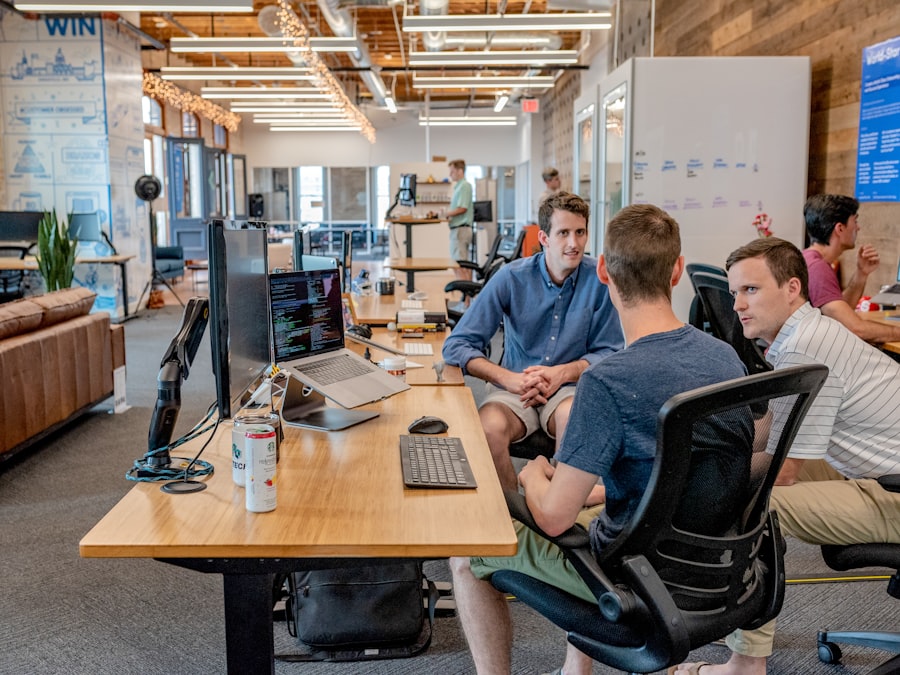
The traditional concept of retirement as a singular period of leisure after decades of work is also undergoing a significant transformation. For many, retirement is no longer an endpoint but a transition, a new chapter that may involve continued engagement in meaningful activities.
The Blurring Lines of Retirement
As people live longer and healthier lives, the idea of simply stopping work at a specific age becomes less appealing and often less financially feasible. You might see a growing trend of phased retirement, where individuals gradually reduce their working hours, or “encore careers,” where they pursue work that is more personally fulfilling or socially impactful. The idea of a hard stop is giving way to a gentler fade, or even a reinvention.
The Search for Purpose Beyond the Paycheck
With the erosion of the 40-year career, the focus often shifts from purely financial security to a deeper search for purpose. You might find yourself questioning what truly brings you satisfaction and meaning. This can lead to a shift in career priorities, where personal fulfillment outweighs traditional markers of success like salary and title. The pursuit of passion, rather than just profession, becomes a driving force.
In exploring the changing landscape of employment, the article “Why the 40-Year Career is Dead” highlights the shift towards more flexible work arrangements and the rise of gig economies. This transformation is further examined in a related piece that discusses how wealth accumulation strategies are evolving in response to these new career paths. For more insights on this topic, you can read the article on wealth growth strategies at How Wealth Grows, which delves into the financial implications of these modern work trends.
The Psychological and Emotional Shift
| Metric | Data/Statistic | Explanation |
|---|---|---|
| Average Job Tenure | 4.1 years | Average time employees stay in a single job, showing increased job mobility compared to decades ago. |
| Number of Careers in a Lifetime | 5-7 careers | Modern workers often change careers multiple times, unlike the traditional single 40-year career. |
| Percentage of Workers Freelancing | 36% | Growing gig economy reflects shift away from lifelong employment with one company. |
| Retirement Age | 66 years (average) | Longer working lives due to increased life expectancy and financial needs. |
| Percentage of Jobs Automated by 2030 | 30% | Automation and AI are disrupting traditional career paths and job stability. |
| Continuous Learning Requirement | 70% of skills change every 5 years | Workers must continually update skills, making static 40-year careers less viable. |
The societal and economic changes that are dismantling the 40-year career model also have profound psychological and emotional implications. The sense of stability and predictability that it offered is being replaced by uncertainty, but also by opportunity.
Navigating Uncertainty and Anxiety
The constant need to adapt and re-evaluate your career path can lead to increased anxiety and a sense of insecurity. The absence of a clear, long-term trajectory can be disorienting. You may find yourself grappling with questions about your future, your financial security, and your sense of identity. This is a period of navigating uncharted waters, where the familiar constellations of career progression are no longer visible.
Embracing Agency and Self-Direction
Conversely, this shift also presents an opportunity to embrace greater agency and self-direction. Instead of being a cog in a large machine, you have the potential to be the architect of your own professional journey. This requires a proactive and introspective approach to your career, where you take ownership of your development and make deliberate choices about your path. The reins of your professional destiny are increasingly in your own hands, but this also means you are responsible for steering.
The death of the 40-year career is not a tragedy, but an evolution. It is a testament to your adaptability and resilience in a rapidly changing world. The old map is no longer serving you, but that doesn’t mean you are lost. It simply means you must learn to navigate by the stars, charting your own course with the skills, knowledge, and courage you possess. You are no longer destined for a single destination, but for a continually unfolding journey.
FAQs
What does the phrase “the 40-year career is dead” mean?
It means that the traditional model of working for a single company or in one career field for 40 years or more is becoming increasingly rare. Modern workers often change jobs, careers, or industries multiple times throughout their working lives.
What factors have contributed to the decline of the 40-year career?
Several factors contribute, including technological advancements, changing economic conditions, evolving job markets, increased emphasis on lifelong learning, and shifting employee expectations about work-life balance and career fulfillment.
How has technology impacted career longevity?
Technology has accelerated the pace of change in many industries, making some skills obsolete faster and creating new job roles. This requires workers to continuously update their skills or switch careers, reducing the likelihood of a single long-term career.
What are the benefits of not having a 40-year career?
Benefits include greater flexibility, opportunities for personal and professional growth, the ability to adapt to changing job markets, and potentially higher job satisfaction by pursuing varied interests and roles.
How can workers prepare for a career without the traditional 40-year model?
Workers can focus on continuous learning, developing transferable skills, networking, staying adaptable, and being open to career changes or new opportunities throughout their working lives.