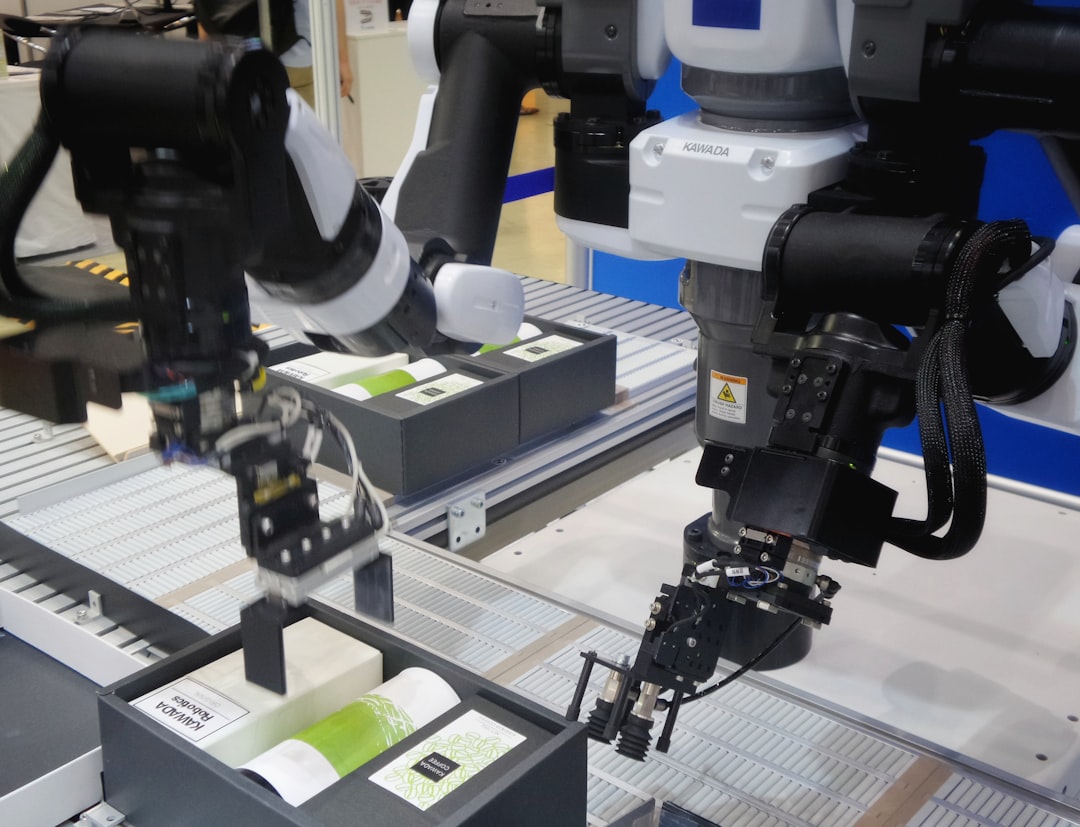
The landscape of work is undergoing a seismic shift. Automation, once a subject confined to science fiction scripts, is now a palpable force reshaping industries and redefining the skills in demand. As intelligent machines and algorithms become increasingly adept at performing tasks previously exclusive to human intellect, the question of “What will my job look like?” looms large. This article is not intended to induce panic, but rather to equip you with the knowledge and strategies to navigate this transition, ensuring your career remains a robust vessel, not a derelict ship, in the rising tide of automation. You are not merely an observer of this revolution; you are an active participant, and your proactive engagement is your most potent weapon for future-proofing your career.
Before you can chart a course through the technological currents, you must understand their nature. Automation is not a monolithic entity; it is a spectrum of technologies, each with its own capabilities and limitations. From the robotic arms on manufacturing floors to the sophisticated algorithms powering financial trading, automation is a tool, an extension of human ingenuity designed to enhance efficiency and productivity. Your understanding of this spectrum will be your compass.
The Spectrum of Automation: Beyond Robots
Automation encompasses more than just physical robots. It extends into the realm of software, data analysis, and even creative processes. Recognizing these diverse forms will prevent you from fixating solely on jobs easily replicated by machines.
Rule-Based Automation and RPA
This is perhaps the most straightforward form of automation. Robotic Process Automation (RPA) involves software ‘bots’ that mimic human actions to execute repetitive, structured tasks. This includes data entry, form filling, and simple report generation. Think of it as a tireless digital intern, adept at handling spreadsheets and following precise instructions.
Machine Learning and AI-Powered Automation
This level of automation draws from the power of machine learning (ML) and artificial intelligence (AI). These systems can learn from data, identify patterns, and make predictions or decisions without being explicitly programmed for every scenario. This is where we see advancements in customer service chatbots, sophisticated data analytics, and predictive maintenance in heavy machinery. This form of automation is more akin to an apprentice that can learn and adapt.
Advanced Robotics and Autonomous Systems
These are the automation systems that most people envision when they hear the word. Advanced robots possess enhanced dexterity, mobility, and sensory capabilities, allowing them to perform complex physical tasks in dynamic environments. Autonomous vehicles, drones, and highly sophisticated industrial robots fall into this category. These are the specialized workers of the automated future.
The Impact on Different Industries
No industry is entirely immune to the influence of automation. Some sectors, however, are more susceptible to immediate disruption. Understanding which areas are being transformed will help you anticipate changes and strategize accordingly.
Manufacturing and Logistics
These sectors have long been at the forefront of automation, with factories and warehouses increasingly relying on robots for assembly, material handling, and packaging. The efficiency gains are substantial, leading to a reduced need for manual labor in many operational roles.
Customer Service and Administration
As mentioned, RPA and AI-powered chatbots are rapidly changing the customer service landscape. Routine inquiries and administrative tasks like scheduling and data processing are becoming increasingly automated, freeing up human staff for more complex problem-solving.
Transportation and Delivery
The development of autonomous vehicles and delivery drones signals a significant shift in these industries. While full autonomy may still be some years away for widespread public adoption, the impact on commercial fleets and logistics chains is already being felt.
Healthcare and Finance
Even traditionally human-centric fields like healthcare and finance are experiencing automation. AI is being used for diagnostic imaging analysis, drug discovery, and fraud detection, while algorithms manage investment portfolios and process financial transactions. These applications often augment rather than replace human professionals, but the nature of their work is evolving.
As the landscape of employment continues to evolve with advancements in technology, it’s essential to consider strategies for future-proofing your career against automation. A related article that provides valuable insights on this topic can be found at How Wealth Grows. This resource highlights key skills and areas of knowledge that can help individuals adapt and thrive in an increasingly automated job market, ensuring long-term career resilience.
Identifying Automation-Resistant Skills
The key to future-proofing your career lies in cultivating skills that are inherently difficult for machines to replicate. These are not just technical skills; they are deeply human attributes that form the bedrock of creativity, critical thinking, and social intelligence. These are the skills that allow you to transcend the predictable and embrace the nuanced.
The Human Advantage: Creativity and Innovation
Machines excel at executing pre-defined processes, but they struggle with generating novel ideas or questioning the fundamental assumptions of a task. Your capacity for original thought and the ability to connect disparate concepts are invaluable.
Divergent Thinking and Ideation
This is the ability to generate multiple, unconventional solutions to a problem. It involves brainstorming, exploring possibilities, and thinking outside the established boundaries. Automation can analyze existing data, but it cannot conjure entirely new paradigms.
Artistic Expression and Design
While AI can generate art and design elements, the emotional resonance, cultural context, and intentionality that a human artist or designer brings are currently beyond its grasp. The ability to translate abstract concepts into tangible forms of beauty or function remains a human forte.
Entrepreneurial Spirit and Vision
Identifying unmet needs, envisioning future possibilities, and taking calculated risks are hallmarks of entrepreneurial thinking. This involves a level of intuition and strategic foresight that automation simply does not possess.
The Power of Critical Thinking and Problem Solving
Machines can process information, but they don’t ‘understand’ in the human sense. Your ability to analyze complex situations, evaluate information critically, and devise nuanced solutions is a shield against automation.
Complex Problem Decomposition
Breaking down intricate problems into smaller, manageable components is a skill that requires abstraction and logical reasoning that goes beyond algorithmic processing. You can see the forest and the trees, and understand their interconnectedness.
Strategic Decision-Making Under Uncertainty
When faced with incomplete information or unpredictable outcomes, humans can often make sound decisions based on experience, intuition, and a deep understanding of context. Automation requires data, and in the absence of sufficient or reliable data, its decision-making capabilities falter.
Ethical Reasoning and Judgment
Navigating moral dilemmas and making judgments with profound ethical implications is a uniquely human capacity. AI can be programmed with ethical guidelines, but it lacks the subjective experience and empathy required for true moral reasoning.
The Indispensable Role of Emotional Intelligence and Interpersonal Skills
While robots can be programmed to mimic empathy, genuine human connection, understanding, and influence are far beyond their current capabilities. These are the glue that holds teams together and the lubricant that smooths professional interactions.
Empathy and Compassion
Understanding and sharing the feelings of others, and responding with care and concern, are fundamental to human interaction. This is crucial in leadership, client relations, and any role involving human well-being.
Collaboration and Teamwork
The ability to work effectively with diverse individuals, build consensus, and navigate interpersonal dynamics is a cornerstone of successful professional environments. Automation can perform tasks, but it cannot truly collaborate.
Persuasion and Negotiation
Influencing others, building rapport, and achieving mutually beneficial outcomes require a nuanced understanding of human psychology and social cues that automation cannot replicate.
Leadership and Mentorship
Inspiring others, guiding their development, and fostering a positive work culture are deeply human endeavors. Leadership is about more than just directing tasks; it’s about empowering and motivating people.
Cultivating Lifelong Learning and Adaptability

The most significant asset you possess in the face of automation is not a specific skill, but a mindset: the commitment to continuous learning and relentless adaptability. The job market of tomorrow will not be for the static, but for the dynamic. Think of yourself as a river: constantly flowing, adapting to the terrain, and carving new paths.
Embracing a Growth Mindset
A growth mindset, as popularized by Carol Dweck, is the belief that your abilities and intelligence can be developed through dedication and hard work. This is the fertile ground upon which all other future-proofing efforts will grow.
Challenging Your Comfort Zone
Actively seeking out new challenges and opportunities that stretch your current abilities is essential. This is where real learning and growth occur.
Viewing Failure as Feedback
Instead of seeing setbacks as definitive endings, reframe them as valuable learning experiences. Analyze what went wrong, extract the lessons, and move forward with renewed insight.
Seeking Constructive Criticism
Actively solicit feedback from colleagues, mentors, and supervisors, and be open to applying their insights to your development. This is like polishing your mirror to see your reflection more clearly.
Strategic Skill Acquisition: Staying Ahead of the Curve
This is not about chasing every new technological fad, but about identifying skill gaps and actively working to fill them. It’s about being a strategic gardener of your own capabilities.
Identifying Emerging Skill Demands
Regularly research industry trends and understand which skills are becoming more valuable. This might involve reading industry publications, attending webinars, or networking with professionals in your field.
Upskilling and Reskilling Initiatives
Proactively engage in training programs, online courses, certifications, and workshops to acquire new skills or deepen existing ones. Platforms like Coursera, edX, LinkedIn Learning, and Udacity offer a wealth of learning opportunities.
Domain Expertise with a Technological Edge
Deepen your understanding of your chosen field, and then explore how technology can enhance your capabilities within that domain. For example, a marketer who understands AI-driven analytics or a biologist who can work with bioinformatics tools is exceptionally valuable.
Building a Portfolio of Transferable Skills
Recognize that skills are not always tied to a specific job title. A strong portfolio of transferable skills demonstrates your ability to contribute across a variety of roles and industries.
Documenting Your Achievements
Keep a record of your projects, accomplishments, and the skills you utilized. This provides concrete evidence of your capabilities.
Quantifying Your Impact
Where possible, use numbers and data to illustrate the positive outcomes of your work. This demonstrates tangible value.
Showcasing Versatility
Highlight instances where you have successfully applied your skills in different contexts or industries, demonstrating your adaptability.
Networking and Building Your Professional Ecosystem

In an increasingly automated world, the human network becomes even more critical. Your connections are not just social pleasantries; they are conduits of information, opportunities, and crucial support. Think of your network as your personal early warning system and your vital resource pool.
The Power of Strategic Relationships
Investing in meaningful professional relationships can provide invaluable insights and open doors that purely technical skills cannot.
Mentorship: Learning from Experience
Seek out experienced professionals who can offer guidance, share their knowledge, and help you navigate your career path. A good mentor is a seasoned captain who can steer you through treacherous waters.
Sponsorship: Advocacy and Opportunity
Identify individuals in positions of influence who believe in your potential and are willing to advocate for your advancement. These are the individuals who can pull the levers of opportunity for you.
Peer-to-Peer Learning and Support
Engage with colleagues and peers to share knowledge, exchange ideas, and provide mutual support. This creates a collaborative environment where everyone can learn and grow.
Expanding Your Professional Horizons
Don’t limit your network to just your immediate colleagues or industry. A diverse network brings fresh perspectives and unexpected opportunities.
Industry Events and Conferences
Attend conferences, workshops, and networking events relevant to your field. These are prime opportunities to meet new people and stay abreast of industry trends.
Online Communities and Forums
Engage in professional online communities, LinkedIn groups, and forums where you can connect with like-minded individuals and contribute to discussions.
Cross-Industry Connections
Building relationships with professionals in different industries can expose you to new ways of thinking and potentially uncover opportunities in adjacent or entirely new fields.
Maintaining and Nurturing Your Network
A network is not a static entity; it requires ongoing effort to maintain and grow.
Regular Check-ins
Periodically reach out to your contacts to maintain the relationship, even if there’s no immediate benefit. A simple message or coffee meeting can go a long way.
Offering Value
Be proactive in offering assistance, sharing relevant information, or making introductions for others in your network. Reciprocity is a powerful force.
Being a Reliable Resource
Establish yourself as a trustworthy and knowledgeable individual within your network. When people know they can rely on you, they are more likely to seek your input and support.
As the landscape of work continues to evolve with advancements in technology, it’s essential to consider strategies for future-proofing your career against automation. One insightful article that delves into this topic is available at How Wealth Grows, where you can explore various skills and approaches that can help you stay relevant in an increasingly automated world. Emphasizing adaptability and continuous learning, the piece offers valuable guidance for professionals looking to navigate the challenges posed by technological change.
Embracing the Human Element: Your Unique Value Proposition
| Metric | Description | Current Value / Trend | Future Outlook | Actionable Strategy |
|---|---|---|---|---|
| Automation Risk Percentage | Estimated likelihood of job automation in next 10-20 years | 47% average across all jobs (source: Oxford study) | Increasing for routine/manual jobs; decreasing for creative/complex roles | Focus on developing non-routine cognitive and social skills |
| Growth in AI-related Job Openings | Year-over-year increase in AI and machine learning roles | 30% annual growth rate (2020-2023) | Expected to continue rising as AI adoption expands | Acquire AI, data science, and programming skills |
| Soft Skills Demand | Increase in employer demand for communication, creativity, and emotional intelligence | Soft skills cited in 92% of job postings | Growing importance as automation handles technical tasks | Invest in interpersonal and leadership development |
| Reskilling Investment | Average annual spending on employee reskilling and upskilling | Increased by 15% globally in past 3 years | Projected to rise as automation disrupts industries | Engage in continuous learning and professional development |
| Job Creation in Emerging Fields | Number of new jobs created in green energy, biotech, and digital sectors | 5 million new jobs globally (2020-2023) | Expected to accelerate with technological and environmental shifts | Explore careers in emerging and sustainable industries |
Ultimately, your most potent defense against automation is your inherent humanity. While machines can perform tasks with speed and precision, they lack the nuanced understanding, creativity, and emotional depth that define the human experience. Your value proposition lies in the unique blend of these qualities.
Articulating Your Unique Value
Clearly define and communicate what makes you indispensable. This is your personal brand, your unique selling proposition in the evolving job market.
Identifying Your Core Strengths
Reflect on your passions, talents, and the contributions you consistently make. What are the things you do well, and that others consistently rely on you for?
Translating Skills into Value
Connect your skills and experiences to the problems you solve and the value you create for your employer or clients. It’s not just what you can do, but what impact your abilities have.
Crafting Your Narrative
Develop a compelling story that highlights your journey, your skills, and your vision for the future. This narrative should resonate with employers and collaborators.
Focusing on Roles Demanding Human Interaction and Judgment
Seek out positions that leverage your uniquely human abilities, where empathy, creativity, and critical thinking are paramount.
Roles in Strategy and Vision
Positions that require long-term planning, innovative thinking, and the ability to set organizational direction are generally less susceptible to automation.
Roles in Leadership and People Management
Leading teams, motivating individuals, and fostering a positive work environment are inherently human responsibilities.
Roles in Complex Problem-Solving and Consulting
When problems are ill-defined, require creative solutions, or involve significant human factors, human expertise remains essential.
The Future is Collaborative: Human-AI Synergy
The most likely future of work involves humans and machines working in synergy. Your ability to collaborate effectively with intelligent systems will be a significant advantage.
Understanding AI as a Tool
View AI and automation as powerful tools to augment your abilities, not as replacements for your core functions. Think of it as having a super-powered assistant.
Training and Guiding AI
Your role may evolve to include training AI systems, defining their parameters, and interpreting their outputs, requiring a deep understanding of both the technology and the domain.
Leveraging AI for Enhanced Productivity
Utilize AI-powered tools to automate repetitive tasks, analyze data, and gain insights, freeing you up to focus on more strategic and creative endeavors.
By understanding the currents of automation, cultivating your inherently human skills, embracing lifelong learning, building a robust network, and clearly articulating your unique value, you are not merely surviving the technological transformation; you are actively shaping your future. Your career will not be a relic of the past, but a thriving ecosystem, capable of adapting and flourishing in the dynamic landscape of tomorrow. The future of work is not a deterministic outcome; it is a canvas upon which you are actively painting your own success.
FAQs
What does it mean to future-proof your career against automation?
Future-proofing your career against automation involves developing skills and strategies that make you less likely to be replaced by machines or software. This includes focusing on roles that require creativity, critical thinking, emotional intelligence, and complex problem-solving, which are harder to automate.
Which industries are most at risk of automation?
Industries such as manufacturing, transportation, customer service, and data entry are among the most at risk due to automation. Jobs involving repetitive tasks and routine processes are more susceptible to being replaced by machines or AI technologies.
What skills can help protect my career from automation?
Skills that are less likely to be automated include creativity, emotional intelligence, leadership, complex problem-solving, and interpersonal communication. Additionally, technical skills related to managing and working alongside automated systems can also be valuable.
How can continuous learning contribute to future-proofing my career?
Continuous learning helps you stay updated with technological advancements and industry trends. By regularly acquiring new skills and knowledge, you can adapt to changes in the job market and take advantage of emerging opportunities that automation creates.
Are there any roles that automation is unlikely to replace?
Yes, roles that require human empathy, nuanced judgment, and complex interpersonal interactions—such as healthcare professionals, educators, creative artists, and certain managerial positions—are less likely to be fully automated in the near future.