
You stand at the precipice of a grocery aisle, a familiar battlefield where your wallet grapples with persistently rising food costs. Corporate price hikes, often cloaked in economic jargon and supply chain woes, are a tangible burden on your household budget. This article will equip you with the strategic tools and understanding necessary to navigate this shifting landscape, transforming you from a passive consumer into an empowered budget-savvy shopper. You will learn to identify predatory pricing strategies and implement practical countermeasures, ensuring your hard-earned money stretches further without compromising nutritional value.
Before you can effectively combat rising grocery prices, you must comprehend their origins and mechanisms. Corporate entities, driven by profit motives and shareholder expectations, often exploit market conditions to implement price increases. This isn’t always overt; sometimes, it’s a subtle erosion of value, a phenomenon known as “shrinkflation.” Learn more about corporate control by watching this insightful video corporate control.
Identifying the Drivers of Corporate Price Increases
You might wonder why your favorite cereal’s price jumped 15% in a year. Several factors contribute to this.
- Supply Chain Disruptions: Global events, such as pandemics or geopolitical conflicts, can disrupt the flow of goods, leading to scarcity and subsequent price increases. You’ll often hear this cited as the primary reason for current price hikes. While legitimate, it can also be a convenient scapegoat.
- Increased Input Costs: The cost of raw materials – ingredients, packaging, energy for production and transport – directly impacts the final price you pay. If the price of wheat rises, so does your loaf of bread.
- Labor Costs: Wages are a significant component of operating expenses. When minimum wages increase or unions negotiate higher pay, these costs are often passed on to you, the consumer.
- Demand-Pull Inflation: When consumer demand outstrips supply, businesses can raise prices without fear of losing customers. This often occurs during periods of economic growth or during specific seasonal peaks.
- Corporate Profiteering: This is the most contentious, and often the most frustrating, for you. Companies, particularly those with significant market power, may capitalize on the aforementioned factors to expand their profit margins beyond what is dictated by legitimate cost increases. You might observe record profits being reported by food conglomerates even as you struggle to afford essentials.
Deciphering “Shrinkflation” and Other Subtle Tactics
A less obvious, but equally insidious, form of price hike is shrinkflation. This is where you pay the same price (or more) for a smaller quantity of product.
- Reduced Packaging Size: Your bag of chips might look the same, but does it contain the same weight? Often, a quick check of the net weight reveals a reduction.
- Fewer Items in a Pack: A box of cookies might suddenly contain 10 fewer cookies for the same price.
- Lower Quality Ingredients: Sometimes, to maintain an appealing price point, manufacturers substitute higher-cost ingredients with cheaper alternatives, resulting in a reduction in product quality without a corresponding price drop. You are getting less for your money, even if the packaging size remains the same.
If you’re looking to save money on groceries while navigating the complexities of corporate control in the food industry, you might find valuable insights in this related article. It discusses various strategies to cut costs without compromising on quality, emphasizing the importance of understanding market dynamics and consumer choices. For more tips and tricks on managing your grocery budget effectively, check out this article on saving money: How to Save Money on Groceries.
Strategic Planning: Your Grocery Budget Blueprint
To effectively counter corporate pricing strategies, you need a robust plan. This is where you transition from reactive spending to proactive budgeting. Think of your budget as a financial shield, protecting you from unnecessary expenditures.
Conducting a Comprehensive Spending Audit
Before you can budget effectively, you need to know where your money is currently going. This initial step is your diagnostic phase.
- Track Every Grocery Expenditure: For at least one month, meticulously record every penny you spend on groceries. Use an app, a spreadsheet, or even a simple notebook. This isn’t about judgment; it’s about gaining clarity.
- Categorize Your Purchases: Break down your spending into categories: staples, fresh produce, meat/dairy, snacks, impulse buys, etc. This will highlight where your money is most heavily invested.
- Identify Waste and Inefficiencies: Do you frequently throw away spoiled produce? Are you buying too many convenience items? This audit will expose areas where you are bleeding money.
Setting Realistic and Achievable Budget Goals
Once you understand your current spending, you can set targets. Your goals should be S.M.A.R.T. (Specific, Measurable, Achievable, Relevant, Time-bound).
- Determine Your Grocery Allowance: Based on your income and overall financial situation, decide on a realistic amount you can allocate to groceries each week or month. This often requires some tough decisions.
- Prioritize Essential Categories: Allocate more of your budget to nutritious staples and less to discretionary items like sugary snacks or pre-made meals.
- Incorporate a Buffer for Fluctuations: Prices fluctuate, and unforeseen needs arise. Build a small contingency into your budget to absorb minor shocks.
Intelligent Shopping: Mastering the Art of the Purchase

Your planned budget is only as good as your execution. This section focuses on the practical techniques you will employ in the store and beyond to maximize your savings.
The Power of Meal Planning and Batch Cooking
This is arguably the most impactful strategy you can adopt. It’s your culinary compass, guiding your purchasing decisions and minimizing waste.
- Plan Meals Around Sales and Seasonal Produce: Before you even step into the grocery store, check weekly flyers and identify what produce is in season. This allows you to build meals around discounted items, like a chef crafting a menu from available ingredients.
- Create a Detailed Shopping List (and Stick to It): This list is your sacred commandment. Impulse buys are the silent assassins of any budget. When you deviate from your list, you open the floodgates to unnecessary spending.
- Batch Cook and Freeze Portions: Cook larger quantities of staple meals, like stews, soups, or grains, and then portion them out for later consumption. This saves time, energy, and reduces the likelihood of resorting to expensive takeout. Think of your freezer as a time capsule for affordable meals.
Strategic Store Navigation and Product Selection
The grocery store is a meticulously engineered environment designed to encourage spending. You must become a savvy navigator.
- Avoid Shopping When Hungry: Hunger is a powerful motivator for impulse purchases. You are more likely to buy unhealthy snacks and prepared foods if your stomach is rumbling.
- Compare Unit Prices, Not Just Sticker Prices: This is a crucial skill. A larger package might seem cheaper, but divide the price by the weight or count to find the true cost per unit. Often, the smaller, less attention-grabbing package is the better deal. You are looking beyond the flashy label to the fundamental value.
- Embrace Store Brands and Generic Products: Many store-brand products are manufactured by the same companies that produce national brands but are sold at a significantly lower price. Conduct blind taste tests; you might be surprised by the quality.
- Shop the Periphery of the Store First: This is where fresh produce, Grains, and dairy are typically located. The inner aisles are often where processed foods and marketing traps reside.
- Utilize Loyalty Programs and Coupons Wisely: Only use coupons for items you genuinely need and would buy anyway. Don’t be swayed by a discount on an unnecessary item. Loyalty programs can offer valuable savings, but understand their terms.
Advanced Frugality: Beyond the Supermarket Walls
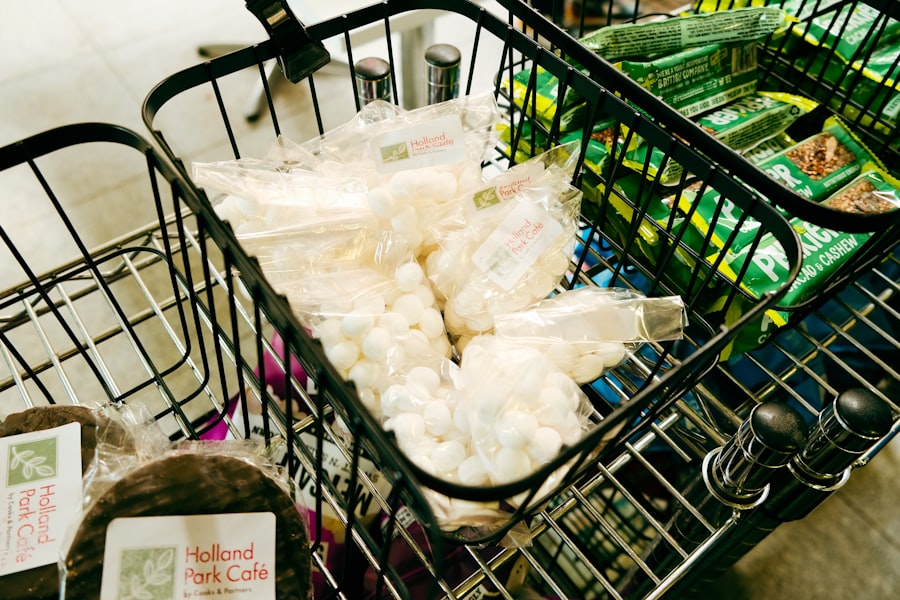
Your smart budgeting journey extends beyond the traditional grocery store. Explore alternative avenues and develop sustainable habits that further reinforce your financial discipline.
Cultivating a Home Garden or Participating in CSAs
Taking control of your food source is the ultimate rebellion against corporate pricing.
- Grow Your Own Produce: Even a small herb garden on a windowsill can save you money and provide fresh, organic ingredients. Larger plots can yield substantial savings on staples like tomatoes, peppers, and leafy greens. You are effectively becoming your own mini-farm.
- Join a Community Supported Agriculture (CSA) Program: You purchase a “share” from a local farm, receiving a weekly box of seasonal produce. This not only supports local farmers but often provides a greater variety and freshness than supermarkets at a competitive price.
- Understand Preservation Techniques: If you grow or receive a bounty of produce, learn to can, freeze, or dehydrate it to extend its shelf life and avoid waste.
Exploring Alternative Retailers and Bulk Buying
Don’t limit your shopping to a single supermarket. Diversify your sources.
- Visit Farmer’s Markets: While not always cheaper, farmer’s markets often offer superior quality produce, and you can sometimes negotiate prices, especially towards the end of the day. You are cutting out the middleman.
- Shop at Discount Grocers: Stores like Aldi or Lidl often have a streamlined inventory and focus on store brands, leading to significantly lower prices.
- Utilize Ethnic Supermarkets: These stores often carry specialty ingredients at much lower prices than mainstream supermarkets, especially for spices, grains, and some produce.
- Consider Warehouse Clubs (Costco, Sam’s Club): For non-perishables or items you consume in large quantities (like toilet paper, rice, pasta), buying in bulk can yield significant savings, but be wary of overbuying perishables that might spoil. Calculate the unit price diligently.
In today’s economy, many consumers are looking for effective strategies to save money on groceries while navigating the complexities of corporate control over food prices. A related article that offers valuable insights on this topic can be found here, where you can explore various tips and tricks to manage your grocery budget effectively. By understanding the dynamics of corporate pricing and implementing smart shopping habits, you can make informed decisions that benefit your wallet and promote healthier eating. For more information, check out the article at this link.
The Long Game: Sustaining Your Budgeting Habits
| Strategy | Description | Estimated Savings | Corporate Control Impact |
|---|---|---|---|
| Buy Store Brands | Choose private label products over national brands to reduce costs. | 10-30% | Store brands are often controlled by corporate suppliers, limiting variety. |
| Use Coupons and Promotions | Leverage manufacturer and store coupons to lower prices. | 5-20% | Corporate promotions may steer consumers toward specific brands. |
| Shop in Bulk | Purchase larger quantities to reduce unit price. | 15-25% | Bulk items are often supplied by large corporations, affecting product diversity. |
| Plan Meals and Make Lists | Reduce impulse buys by planning meals and shopping with a list. | 10-15% | Corporate marketing can influence shopping habits despite planning. |
| Buy Seasonal and Local Produce | Choose fruits and vegetables in season and from local sources. | 10-20% | Corporate control may limit availability of local produce in large chains. |
| Avoid Pre-Packaged and Processed Foods | Opt for whole foods to save money and reduce packaging costs. | 15-30% | Processed foods are often promoted by corporate brands. |
Grocery budgeting is not a one-time fix; it is an ongoing commitment. To truly beat corporate price hikes, you must embed these practices into your lifestyle.
Regularly Reviewing and Adjusting Your Budget
The economic landscape is dynamic, and so too should be your budget.
- Schedule Monthly or Quarterly Reviews: Revisit your spending audit, compare it to your budget goals, and identify areas for improvement or adjustment. Has the price of milk increased significantly? You might need to reallocate funds.
- Adapt to Changing Circumstances: Life happens. A new job, a change in family size, or unexpected expenses might necessitate a temporary or permanent shift in your grocery budget. Be flexible, not rigid.
- Celebrate Small Victories: Acknowledge your success in saving money. This positive reinforcement will motivate you to continue your budgeting efforts.
Educating Yourself on Market Trends and Consumer Rights
Stay informed to remain empowered. Knowledge is your most potent weapon.
- Follow Reputable Economic News Sources: Understand broader inflation trends and their potential impact on food prices.
- Research Corporate Practices: Be aware of companies that have a history of aggressive pricing or questionable sourcing.
- Advocate for Fair Pricing: While individual action is crucial, collective action can also influence corporate behavior. Support organizations that advocate for consumer rights and ethical business practices. You are not just a consumer; you are a citizen with a voice.
By adopting these strategies, you are not simply saving money; you are reclaiming agency in a system often designed to extract maximum profit from you. You are transforming your grocery shopping from a daunting task into a strategic, empowering act of financial self-sufficiency. The battle against corporate price hikes is ongoing, but with the tools and knowledge provided, you are well-equipped to emerge victorious.
FAQs
What are some effective ways to save money on groceries?
Some effective ways to save money on groceries include planning meals ahead, making a shopping list, using coupons and discounts, buying in bulk, choosing store brands, and avoiding impulse purchases.
How does corporate control affect grocery prices?
Corporate control can affect grocery prices by influencing supply chains, pricing strategies, and product availability. Large corporations may have significant market power, which can lead to higher prices or limited competition in certain areas.
Can buying from local markets help save money compared to corporate grocery stores?
Yes, buying from local markets or farmers’ markets can sometimes help save money, especially on fresh produce. It also supports local farmers and reduces the influence of large corporate grocery chains.
Are store-brand products generally cheaper than name-brand products?
Yes, store-brand products are typically cheaper than name-brand products because they often have lower marketing and packaging costs, while offering similar quality.
How can consumers identify if a grocery store is part of a large corporate chain?
Consumers can identify corporate grocery stores by checking the store’s ownership information online, looking for well-known chain names, or noticing uniform branding and marketing strategies common to large corporations.
Does buying in bulk always save money on groceries?
Buying in bulk can save money if the items are non-perishable or will be used before they expire. However, it may not save money if the bulk items go to waste or if the unit price is not actually lower.
What role do coupons and loyalty programs play in saving money on groceries?
Coupons and loyalty programs provide discounts and rewards that can reduce the overall cost of groceries. They encourage repeat purchases and can offer significant savings when used strategically.
Is meal planning important for reducing grocery expenses?
Yes, meal planning helps reduce grocery expenses by minimizing food waste, avoiding unnecessary purchases, and allowing shoppers to buy only what they need for planned meals.
How does corporate consolidation impact consumer choices in grocery stores?
Corporate consolidation can reduce the variety of products available, as large corporations may prioritize their own brands and limit shelf space for smaller or local producers, potentially affecting consumer choice and prices.
Are there any risks associated with relying heavily on corporate-controlled grocery stores?
Relying heavily on corporate-controlled grocery stores may limit access to diverse products, reduce competition, and potentially lead to higher prices or less emphasis on local and sustainable options.