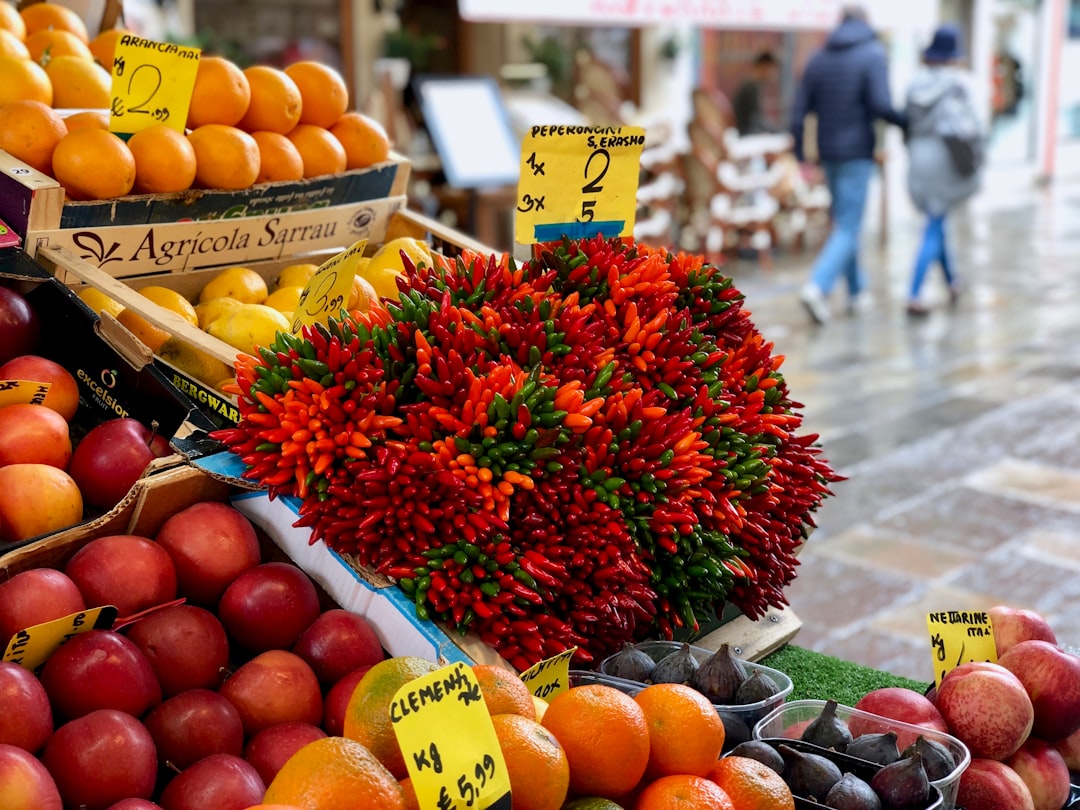
Navigating the modern food landscape can feel like a trek through a dense, ever-shifting jungle. You’re constantly bombarded with choices, prices, and claims, all while trying to nourish yourself and your family within an often-strained budget. This article aims to equip you with the compass and machete you need to cut through the undergrowth of rising food costs and the pervasive canopy of corporate influence, helping you make informed decisions about what you eat and how you buy it.
Learn more about corporate control by watching this insightful video corporate control.
You’ve undoubtedly noticed your grocery bills creeping steadily upwards, making each trip to the store feel like a negotiation with an invisible opponent. This isn’t merely anecdotal; the data consistently reflects a global trend of escalating food commodity prices. Understanding the multi-faceted reasons behind this ascent is your first step towards navigating it effectively.
Global Supply Chain Vulnerabilities
Imagine a vast, intricate web, with each strand representing a link in the global food supply chain. A single tremor, like a geopolitical conflict or a natural disaster, can send ripples throughout this entire system, tightening the threads and raising costs. You see this play out in various ways:
Impact of Geopolitical Tensions
When major food-producing regions are embroiled in conflict, as you’ve witnessed with recent events affecting grain exports, the global market reacts. Supply dwindles, demand remains high, and prices inevitably climb. This directly impacts the cost of staples like bread, pasta, and animal feed, eventually trickling down to your local butcher shop.
Climate Change and Extreme Weather Events
Consider the unpredictable temperament of nature. Droughts devastate harvests in one region, while floods destroy crops in another. These increasingly frequent extreme weather events, exacerbated by climate change, create significant instability in agricultural production. This volatility translates directly into higher prices for you, as the supply becomes less reliable.
Labor Shortages and Transportation Costs
The journey from farm to fork is a long one, and each leg of that journey involves labor and fuel. When there are shortages of farmworkers, processing plant employees, or truck drivers, costs increase. Similarly, fluctuating global oil prices directly impact the expense of transporting food, a cost that is ultimately passed on to you, the consumer.
Inflationary Pressures and Economic Dynamics
Beyond the immediate disruptions, broader economic currents also play a significant role in dictating the price of your groceries. You’re not just paying for the food itself, but also for the cost of doing business in a constantly evolving economic landscape.
Overall Inflationary Environment
If you’ve seen the price of gasoline, rent, or utilities increase, you know that inflation is a broad economic phenomenon. Food is not immune to these forces. As the cost of everything else rises – from packaging materials to electricity for refrigeration – businesses pass these increased expenses on to you.
Energy Prices and Agricultural Inputs
Modern agriculture is incredibly energy-intensive. From powering tractors and irrigation systems to manufacturing fertilizers and pesticides, energy costs are deeply embedded in the price of food. When global energy prices spike, as you’ve experienced recently, these increases ripple through the entire food production system, leading to higher prices at the checkout.
Currency Fluctuations
If you purchase imported goods, you’re also exposed to the whims of currency exchange rates. A weaker domestic currency means that imported goods, including many of your food items, become more expensive to purchase. This creates a hidden layer of cost that you might not immediately identify but nonetheless impacts your budget.
To gain a deeper understanding of the intricate relationship between food costs and corporate power, you may find it insightful to read the article available at How Wealth Grows. This resource delves into the factors influencing food prices and the significant role that large corporations play in shaping market dynamics, ultimately affecting both consumers and producers. By exploring these themes, readers can better comprehend the broader implications of corporate influence on the food industry and its impact on economic stability.
The Invisible Hand: Corporate Influence in Food Systems
While you grapple with rising prices, a powerful, less visible force is often at play: corporate influence. The food industry, much like any other major sector, is dominated by a relatively small number of powerful corporations that exert significant control over what you eat, how it’s produced, and how it’s priced. Understanding this dynamic is crucial for making informed choices.
Consolidation and Market Power
Imagine a shrinking pond, where fewer and fewer large fish consume all the smaller ones. This “pond” represents the global food market, and the large fish are the multinational food corporations. This consolidation has profound implications for you, the consumer.
Vertical Integration and Supply Chain Control
When a single company owns various stages of the food production process – from seed development and farming to processing, packaging, and even retail – it’s called vertical integration. This gives them immense control over pricing and supply, reducing competition and potentially leading to higher costs for you. You see this in meatpacking or dairy industries, where a few large players control a significant portion of the market.
Mergers and Acquisitions
The landscape of the food industry is perpetually reshaped by mergers and acquisitions. When large companies swallow smaller ones, it further concentrates market power. This often leads to fewer choices for you, as diverse brands might actually be owned by the same parent company, and can stifle innovation and competitive pricing.
Marketing and Consumer Perception
Corporations aren’t just selling you food; they’re selling you an idea, a lifestyle, a perception. Their marketing strategies are sophisticated and pervasive, subtly shaping your preferences and purchasing habits.
Branding and Advertising Strategies
You are constantly bombarded with advertisements for food products, carefully crafted to appeal to your emotions, desires, and even your anxieties. These campaigns often emphasize convenience, health claims (even dubious ones), or nostalgic sentiments, influencing your choices long before you even set foot in a grocery store. This creates brand loyalty that often supersedes objective evaluation of price or quality.
“Healthwashing” and Greenwashing”
Be wary of labels that sound healthy or environmentally friendly but lack substance. Companies often employ “healthwashing” by highlighting minor positive attributes while downplaying less desirable ones, or “greenwashing” by making vague environmental claims without concrete evidence. You have to learn to scrutinize these claims and look beyond the appealing imagery to understand what you’re truly getting.
Strategies for You: Navigating the Grocery Aisle

Now that you understand the forces at play, how can you arm yourself for your next shopping trip? You have more agency than you might think, and strategic choices can significantly impact your food budget and health.
Budgeting and Meal Planning
Think of your food budget as a finite resource, and meal planning as your strategic map. Approaching your grocery shopping with intention can save you significant money and reduce waste.
Creating a Detailed Grocery List
A grocery list is your shield against impulse buys. Before you even leave the house, take inventory of your pantry and plan your meals for the week. Only add items to your list that are essential for those meals. This simple act can dramatically cut down on unnecessary spending.
Utilizing Unit Pricing and Sales
Don’t just look at the overall price; pay attention to the unit price (price per ounce, per pound, etc.). This allows you to truly compare value across different brands and package sizes. Also, become a savvy shopper by incorporating sale items into your meal plan. Circulars and store apps can be valuable tools.
Smart Shopping Habits
Your approach to the grocery store itself can be a powerful determinant of how much you spend and the quality of food you bring home.
Cooking from Scratch and Bulk Buying
The convenience of pre-packaged, processed foods often comes with a significant price premium. You can save a lot of money and gain greater control over ingredients by cooking more meals from scratch. Consider buying staples like grains, beans, and certain produce in bulk, especially if you have the storage space. This often yields a lower unit price over time.
Exploring Store Brand and Generic Options
Don’t let branding dictate your choices. Many store brand or generic products are produced by the same manufacturers as their more expensive counterparts, offering similar quality at a fraction of the cost. Give them a try; you might be pleasantly surprised by the value you discover.
Empowering Your Choices: Beyond the Supermarket
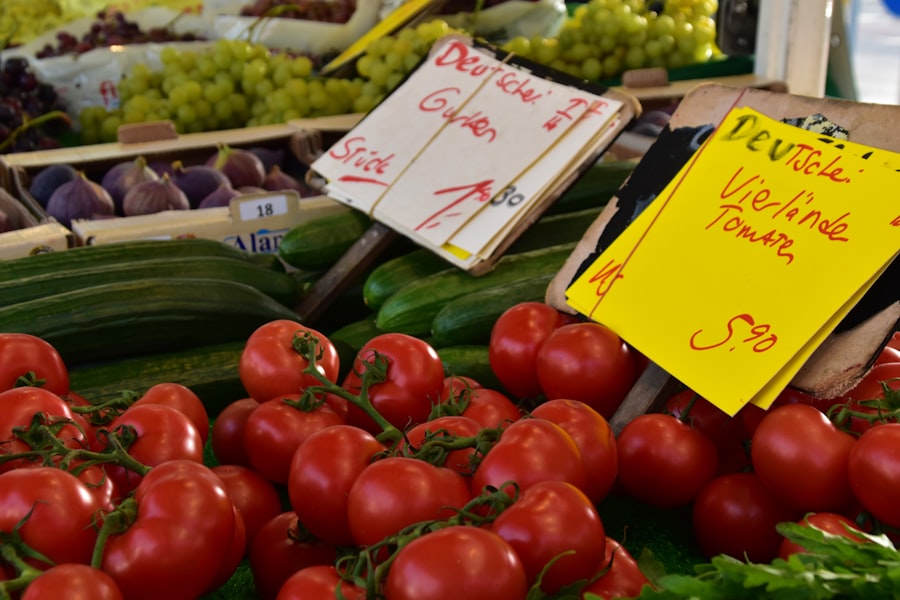
Your power as a consumer extends beyond the confines of the grocery store. By making conscious choices, you can actively support more equitable and sustainable food systems.
Supporting Local and Sustainable Agriculture
Think of your food choices as votes. When you choose to support local and sustainable agriculture, you are casting a vote for a different kind of food system, one that often prioritizes community, environmental health, and fair practices.
Farmers’ Markets and Community Supported Agriculture (CSA)
Directly purchasing from farmers at farmers’ markets or joining a Community Supported Agriculture (CSA) program offers numerous benefits. You often get fresher produce, develop a connection with the people who grow your food, and ensure more of your money goes directly to the producers rather than intermediaries. This is your chance to directly support a more resilient food network.
Understanding Ethical Sourcing and Certifications
If you value ethical and sustainable practices, familiarize yourself with certifications like USDA Organic, Fair Trade, and various animal welfare labels. While not perfect, these can provide a starting point for identifying products that align with your values, helping you make choices that resonate beyond just price.
Advocacy and Awareness
Your voice, combined with others, can be a powerful catalyst for change. Don’t underestimate the impact of collective action.
Educating Yourself and Others
Continuously educate yourself about the intricacies of the food system. Read articles, watch documentaries, and engage in discussions. The more informed you are, the better equipped you are to make discerning choices and to advocate for systemic improvements. Sharing this knowledge with your friends and family amplifies its impact.
Supporting Policy Reforms for Fairer Food Systems
Consider supporting organizations that advocate for policies promoting fair competition, regulating corporate monopolies, and supporting sustainable agricultural practices. Engaging in civic action, from contacting your representatives to participating in local food initiatives, can contribute to creating a food environment that benefits both producers and consumers. Your engagement can help steer the ship of the food industry towards a more equitable and transparent future.
The journey through the modern food landscape is complex, but it is not without a path. By understanding the forces that shape food costs and corporate influence, adopting strategic shopping habits, and empowering yourself through informed choices and advocacy, you can navigate this terrain with greater confidence and purpose, ultimately fostering a healthier plate for yourself and a more robust food system for all.
FAQs
What are food costs?
Food costs refer to the expenses involved in producing, processing, distributing, and selling food products. These costs include raw materials, labor, transportation, packaging, and retail markups.
How does corporate power influence food costs?
Corporate power affects food costs by controlling large segments of the food supply chain, including production, processing, and retail. This concentration can impact pricing, market competition, and the availability of food products.
Why is it important to understand food costs?
Understanding food costs helps consumers, policymakers, and businesses make informed decisions about food pricing, sustainability, and food security. It also sheds light on economic inequalities and the impact of corporate practices on food accessibility.
What role do large corporations play in the food industry?
Large corporations often dominate food production, processing, and retail sectors. They influence market prices, supply chain dynamics, and food quality standards, which can affect both producers and consumers.
How do food costs affect consumers?
Food costs directly impact consumers’ ability to afford nutritious and diverse diets. High food prices can lead to food insecurity, while low prices may affect the livelihoods of farmers and producers.
Can corporate consolidation affect food prices?
Yes, corporate consolidation can reduce competition, potentially leading to higher food prices or limited choices for consumers. It can also affect wages and conditions for workers within the food industry.
What factors contribute to fluctuations in food costs?
Food costs fluctuate due to factors such as weather conditions, supply chain disruptions, fuel prices, labor costs, government policies, and global market trends.
How can consumers influence food costs and corporate power?
Consumers can influence food costs and corporate power by supporting local producers, choosing products from companies with ethical practices, advocating for fair policies, and increasing awareness about food system issues.