You walk into a grocery store, a vibrant panorama of carefully arranged produce, gleaming aisles of packaged goods, and the almost imperceptible hum of refrigeration units. Your primary mission is to acquire sustenance, but another, more subtle interaction is immediately initiated: the negotiation of choice. You perceive a vast array of options, a cornucopia from which to select your daily provisions. However, this perception of boundless independence is, in many cases, a meticulously crafted illusion. This article will dissect the intricate mechanisms employed by grocery retailers and manufacturers to engineer your choices, often without your conscious awareness, exploring how this engineered environment shapes your purchasing behavior and, consequently, your diet.
You are not merely browsing; you are being guided. The physical layout of a grocery store is a deliberate construct, a silent architect dictating your path and drawing your eye to specific items. This strategic placement is a cornerstone of the “illusion of choice,” subtly influencing your decisions long before you even touch a product. Learn more about corporate control by watching this insightful video corporate control.
The “Eye-Level is Buy-Level” Maxim
Consider the products positioned at your direct eye level. These are rarely coincidental. Manufacturers pay premium fees, known as “slotting fees,” to secure these prime locations. You, the consumer, are more likely to notice and, consequently, purchase items that do not require you to stoop or strain your neck. This principle applies across demographics; children’s cereals are often placed at a lower height, accessible to their smaller frames and directly engaging their gaze with cartoon characters and vibrant packaging. You might believe you are independently selecting a brand, but the initial impetus often originates from its prominent visibility.
End Caps and Promotional Displays
As you navigate the aisles, you inevitably encounter “end caps”—the displays at the very end of a row. These are highly coveted spaces, often featuring discounted items, seasonal products, or newly launched goods. You perceive these as opportunities, specials designed to benefit you. While discounts may indeed be present, the primary function of end caps is to disrupt your routine shopping pattern and introduce impulse purchases. Your established shopping list might not include a particular brand of artisanal crackers, but its prominent placement on an end cap, coupled with an attractive “sale” sign, can effortlessly sway your decision. Similarly, elaborate promotional displays, often themed around holidays or specific events, are designed to create a sense of urgency and desirability, encouraging you to deviate from your pre-planned acquisitions.
The Power of Color and Lighting
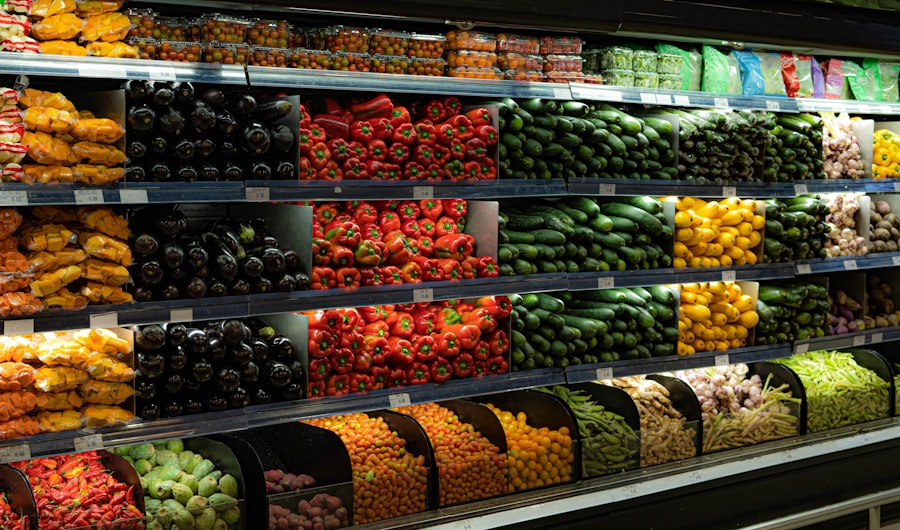
The visual aesthetic of a grocery store is a critical, yet often overlooked, component of influencing your choices. Bright, focused lighting on fresh produce makes fruits and vegetables appear more vibrant and appealing, suggesting freshness and quality. Conversely, softer, warmer lighting in the bakery section can evoke a sense of comfort and home, encouraging indulgence. You might rationally understand that a tomato is a tomato, but its perceived desirability can be significantly amplified by the way it is illuminated. Color psychology is also heavily leveraged. Red, often associated with urgency and sales, frequently adorns promotional signage. Green, signifying naturalness and health, pervades packaging for organic products. These subconscious cues subtly manipulate your emotional response to products, contributing to the engineered facade of unlimited, unguided selection.
The illusion of choice in grocery stores is a fascinating topic that highlights how consumers often believe they have a wide array of options, while in reality, many of those choices are controlled by a few large corporations. For a deeper understanding of this concept and its implications on consumer behavior, you can explore a related article that discusses the intricacies of perceived choice in retail environments. Check it out here: The Illusion of Choice in Grocery Stores.
The Illusion of Variety: Product Proliferation and Brand Architecture
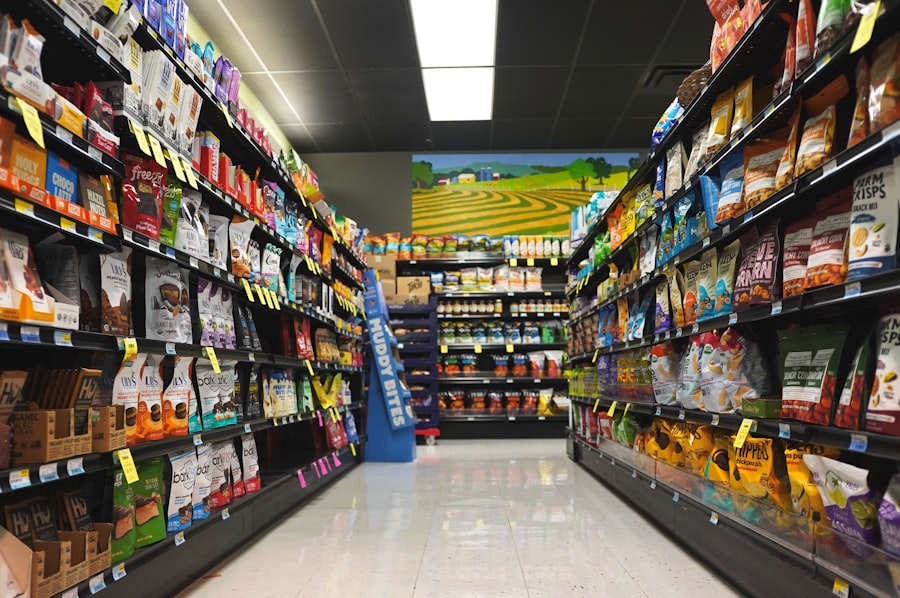
When you survey a supermarket aisle, for instance, the cereal section, you might be struck by the sheer volume of different boxes. This apparent abundance of choice, however, often conceals a far narrower reality. The perception of vast variety is frequently an elaborate illusion, meticulously constructed by a limited number of powerful corporations.
The “Flanker Brand” Strategy
Many seemingly distinct brands are, in fact, owned by the same parent company. These are known as “flanker brands” or “shadow brands.” You might perceive yourself as choosing between two competing brands of yogurt, for example, only for both to originate from the same corporate entity. This strategy serves multiple purposes: it fills shelf space, creating the illusion of diverse options, and it allows the parent company to capture a broader market segment by catering to different demographics or taste preferences under various brand identities. Your “choice” then becomes a decision between different iterations of the same underlying product, often with only marginal differences in formulation or packaging. This phenomenon is like observing a single tree with numerous branches, each bearing slightly different leaves, while mistakenly believing you are surveying a forest.
SKU Proliferation within a Single Brand
Beyond flanker brands, you also encounter an explosion of Stock Keeping Units (SKUs) within individual brands. A single soft drink brand might offer regular, diet, zero sugar, caffeine-free, cherry-flavored, vanilla-flavored, and various limited-edition versions. While these certainly offer distinct options, the underlying assumption of genuine competition is diminished. This strategy caters to highly specific niches, aiming to capture every conceivable preference within the consumer base. You might feel empowered by the ability to select the exact formulation of your favorite beverage, but this granular level of choice within a singular brand still limits your exploration of genuinely alternative products or categories. It’s akin to being offered an extensive menu of variations on a single dish, rather than a menu offering a diverse range of cuisines.
The Role of Private Label (Store Brand) Products
Supermarkets themselves contribute significantly to the illusion of choice through their “private label” or “store brand” products. You might see these as a more affordable alternative to national brands, and indeed they often are. However, their inclusion also serves to further saturate the market with options, reinforcing the perception of endless choice. Often, these private label products are manufactured by the very same companies that produce the national brands, or by contract manufacturers under strict specifications. Therefore, your decision to opt for a store brand over a national brand might effectively mean you are purchasing an almost identical product, manufactured in the same facility, but under a different label and at a lower price point, further obscuring the true extent of corporate consolidation.
The Art of Persuasion: Pricing Strategies and Promotional Tactics
Your decision-making process is inextricably linked to price. However, pricing in the grocery store is far from a straightforward calculation of cost-plus-profit. It is a sophisticated psychological tool, designed to steer your choices and maximize your spending, often by leveraging cognitive biases.
Anchoring and Decoy Pricing
You frequently encounter explicit pricing strategies intended to manipulate your perception of value. “Anchoring” is one such technique. When you see a high-priced item strategically placed next to a slightly less expensive, but still high-margin, item, the initial high price acts as an “anchor.” The second item then appears more reasonable by comparison, even if its intrinsic value is much lower than the price suggests. Similarly, “decoy pricing” involves introducing a third, less attractive option solely to make one of the other options appear more appealing. Imagine three sizes of popcorn: small for $3, medium for $6, and large for $7. The medium size acts as a decoy, making the large size seem like a significantly better deal for only an extra dollar, even if the actual content difference is minimal. You are not simply choosing the best value; you are choosing the option that has been psychologically framed as such.
“Loss Leaders” and Bundling
Supermarkets frequently employ “loss leaders”—items sold at or below cost—to entice you into the store. You might be drawn by an incredibly low price on a staple item like milk or bread, but once inside, the expectation is that you will purchase other, higher-margin products. The illusion of choice is reinforced by the perceived benevolence of the store offering such a good deal, masking the broader strategy to encourage overall spending. “Bundling” is another common tactic, where multiple items are offered together at a combined price that appears to be a discount compared to purchasing them individually. While seemingly beneficial, bundles often include items you might not truly need or would not have purchased otherwise, increasing your total expenditure under the guise of an advantageous deal.
The Power of “Odd-Even” Pricing
You regularly encounter prices ending in .99 or .95. This “odd-even pricing” is not arbitrary. It capitalizes on the human tendency to focus on the leftmost digit. A product priced at $19.99 is perceived as significantly cheaper than one priced at $20.00, even though the difference is a mere penny. This psychological trick creates a perception of value and affordability, gently nudging you towards a purchase. You might consciously dismiss the one-cent difference, but on a subconscious level, the effect remains potent, fostering the illusion that you are consistently securing a better deal.
The Sensory Environment: Sounds, Smells, and Textures
Your shopping experience is a multi-sensory immersion, with each element meticulously designed to influence your choices. Beyond visual cues and pricing, the auditory, olfactory, and even tactile environment of the grocery store plays a subtle, yet powerful, role in shaping your decisions.
Auditory Manipulation: Music and Announcements
The background music in a grocery store is not accidental. Studies have shown that slower tempo music can encourage customers to spend more time in the store and, consequently, purchase more items. Conversely, faster tempo music might be used during peak hours to encourage quicker circulation. In-store announcements, often promoting specific deals or highlighting fresh produce, directly influence your attention and can stimulate impulse purchases. You might perceive these sounds as mere background noise, but they are a carefully orchestrated symphony designed to influence your pace and purchasing behavior, making you feel more relaxed or more inclined to act, depending on the desired outcome.
The Allure of Scent: Bakery and Coffee Aromas
The smell of freshly baked bread or brewing coffee often wafts enticingly through grocery stores. These aromas are not accidental byproducts; they are integral components of the sensory marketing strategy. The scent of baked goods evokes feelings of comfort, nostalgia, and hunger, making you more likely to purchase items from the bakery or even other food products. Similarly, the rich aroma of coffee can stimulate a desire for a morning pick-me-up or encourage the purchase of coffee beans. These olfactory cues bypass your conscious thought process, directly tapping into primal desires and further contributing to the illusion that your choices are entirely self-generated.
Tactical Use of Product Textures and Samples
The opportunity to touch and feel produce, to select individual fruits and vegetables, reinforces a sense of control and autonomy. However, even this tactile experience is part of the engineered environment. Displays are often designed to allow for easy handling, and the perceived “freshness” of a product can be directly influenced by its texture. Furthermore, in-store sampling, particularly for new products or seasonal items, directly engages your taste buds. This direct sensory experience creates an immediate gratification and can overcome any initial hesitation, leading to an unplanned purchase. You might feel grateful for the opportunity to taste before you buy, but this act of generosity also serves as a potent persuasive tool, effectively short-circuiting your rational decision-making process.
The concept of the illusion of choice in grocery stores is a fascinating topic that highlights how consumers often believe they have a wide array of options, while in reality, their choices are heavily influenced by marketing strategies and product placements. This phenomenon can lead to decision fatigue and a sense of overwhelm when shopping. For a deeper understanding of how consumer behavior is shaped in various markets, you might find this article on wealth and consumer choices insightful. It explores the intricate relationship between consumerism and financial decision-making, shedding light on how our perceptions can be manipulated. You can read more about it here.
The Digital Frontier: Online Grocery and Algorithm-Driven Choice
| Category | Number of Brands | Parent Companies | Percentage of Market Controlled | Example |
|---|---|---|---|---|
| Breakfast Cereals | 30+ | 3 | 85% | Kellogg’s, General Mills, Post |
| Soft Drinks | 25+ | 2 | 90% | Coca-Cola, PepsiCo |
| Snack Foods | 40+ | 4 | 80% | PepsiCo, Mondelez, Nestlé, Kellogg’s |
| Dairy Products | 20+ | 5 | 75% | Danone, Lactalis, Nestlé, Dean Foods, Saputo |
| Frozen Foods | 15+ | 3 | 70% | Conagra, Nestlé, General Mills |
The rise of online grocery shopping has introduced a new dimension to the illusion of choice. While it offers unparalleled convenience, the digital environment presents its own unique set of mechanisms for guiding your purchasing decisions, often with even greater precision than physical stores.
Personalized Recommendations and Predictive Analytics
When you shop online, your previous purchases, browsing history, and even demographic data are meticulously collected and analyzed. This information is then used to generate “personalized recommendations”—the “Customers who bought this also bought…” or “Recommended for you” sections. These algorithms are incredibly sophisticated, designed to predict your future needs and preferences, and then present you with options that align with those predictions. While seemingly helpful, this can create a filter bubble, limiting your exposure to new products or categories outside of your established patterns. You might feel that the platform understands your needs perfectly, but it is also subtly narrowing your perceived scope of choice, subtly re-directing your exploration towards pre-selected pathways.
Search Engine Optimization and Digital Shelf Space
The digital equivalent of “shelf placement” is search engine optimization (SEO) and algorithmically determined product listings. When you search for a specific item, the order in which products appear is not random. It is influenced by factors such as sponsored product placements, sales history, customer reviews, and profitability. Products that pay for prime digital real estate or have strong sales metrics will naturally appear higher in search results, making them more visible and, consequently, more likely to be selected. You might believe you are seeing all available options, but the digital “aisle” is curated to prioritize certain products, much like high-traffic end caps in a physical store. Your journey through the digital supermarket is therefore not one of unbridled exploration, but a guided tour through a landscape optimized for specific outcomes.
User Interface (UI) and Experience (UX) Design
The design of the online grocery platform itself plays a crucial role in shaping your choices. Intuitive navigation, clear product imagery, and streamlined checkout processes are all designed to minimize friction and encourage purchases. Features like “Buy it again” options, pre-filled carts, and one-click ordering exploit behavioral economics, making repeat purchases effortless and reducing the cognitive load associated with decision-making. You might appreciate the seamless experience, viewing it as a testament to efficient design, but this very efficiency also subtly reinforces habitual buying patterns and limits your conscious reconsideration of alternative products or brands. The illusion of effortless choice on a user-friendly platform effectively masks the underlying mechanisms designed to optimize your spending and streamline your purchasing routines.
In conclusion, the grocery store, whether physical or digital, is a masterclass in engineered environments. The options you perceive as boundless, and the choices you make as entirely autonomous, are in fact frequently influenced by a sophisticated array of psychological tactics, strategic placements, pricing maneuvers, and sensory stimuli. Understanding these mechanisms is the first step in reclaiming a more conscious approach to your food choices. By recognizing the intricate dance between your desires and the store’s intentions, you can begin to navigate the aisles with a more critical eye, ultimately empowering yourself to make choices that truly align with your needs and values, rather than merely succumbing to the carefully constructed illusion of choice.
FAQs
What is the “illusion of choice” in grocery stores?
The “illusion of choice” refers to the perception that consumers have many different options when shopping, but in reality, many products are owned by a few large corporations, limiting true diversity in the market.
How many companies control most grocery products?
A small number of multinational corporations control a significant portion of grocery products. For example, around 10 companies own the majority of popular food brands in many countries.
Why do grocery stores stock multiple brands owned by the same company?
Companies often own multiple brands to target different consumer preferences and price points, creating the appearance of variety while maintaining market control.
Does the illusion of choice affect consumer prices?
Yes, limited competition due to market consolidation can reduce price competition, potentially leading to higher prices for consumers.
How can consumers make more informed choices despite the illusion of choice?
Consumers can research brand ownership, support local or independent producers, and read product labels to better understand what they are buying.
Is the illusion of choice unique to grocery stores?
No, the illusion of choice can be found in other industries as well, such as personal care products, beverages, and household goods, where a few companies dominate multiple brands.
What impact does the illusion of choice have on product diversity?
It can limit true product diversity, as large corporations may prioritize mass-market products over niche or innovative options, reducing variety in the marketplace.
Are private label or store brands affected by the illusion of choice?
Yes, many private label products are produced by the same manufacturers as national brands, which can further contribute to the illusion of choice in grocery stores.