
You’re standing in the grocery aisle, scanning the shelves, and a familiar pang of frustration hits you as you note the price tags. You might be wondering, as many are, what forces are driving these relentless increases in food costs. One significant, and often overlooked, factor is the role of corporate profits. This isn’t merely about supply and demand; it’s a complex interplay where the pursuit of financial gains by large corporations can directly ripple through your weekly shopping bill. As you delve deeper, you’ll see a tapestry woven with market power, financial strategies, and the fundamental necessity of food itself.
You must first understand the bedrock upon which the food industry operates. It’s not a monolithic entity, but a vast ecosystem comprising farmers, processors, distributors, and retailers. Each link in this chain presents an opportunity for profit, and as companies grow larger, their capacity to influence prices expands like a rising tide. Learn more about corporate control by watching this insightful video corporate control.
Consolidation and Market Power
You’ve likely observed the trend: fewer and larger companies dominating various sectors. This consolidation, often driven by mergers and acquisitions, diminishes competition, allowing the remaining players to exert greater control over pricing.
- Shrinking Competition: Imagine a football field. When it’s full of players, everyone has to run harder and compete fiercely. When only a few players remain, they can dictate the pace and strategy. Similarly, in a concentrated market, fewer companies mean less pressure to offer competitive prices. You, the consumer, are left with fewer alternatives.
- Barriers to Entry: For new, smaller players, entering a market dominated by giants is like trying to climb a sheer cliff face. The capital requirements, distribution networks, and marketing budgets needed to compete are immense, further entrenching the power of existing corporations. This ultimately limits your choices and reinforces the pricing power of the established players.
Supply Chain Control
Consider the food supply chain as a meticulously crafted pipeline. When a few companies control multiple segments of this pipeline – from purchasing raw ingredients to processing, packaging, and distributing – they gain an extraordinary advantage.
- Vertical Integration: When a company owns various stages of production, it can internalize costs and profits. This allows them to set prices at each stage, often marking up products internally before they even reach external markets. For you, this means less transparency about true costs.
- Gatekeeper Control: Companies that control crucial infrastructure, such as processing plants or major distribution networks, act as gatekeepers. They can dictate terms and prices to both producers (farmers) and retailers, effectively influencing the final price you pay.
In recent discussions about the disparity between corporate profits and consumer food prices, an insightful article can be found on the topic at How Wealth Grows. This piece delves into the factors contributing to rising food costs despite increasing profits for major corporations, highlighting the complex interplay between supply chain issues, inflation, and corporate pricing strategies. For more information, you can read the article here: How Wealth Grows.
Profit Maximization Strategies and Their Price Implications
You might think profit is a simple concept, but for large corporations, it’s a multifaceted strategy involving meticulous planning and execution. These strategies, while aimed at satisfying shareholders, have direct consequences for your grocery budget.
Cost-Plus Pricing
This is a fundamental pricing strategy where companies calculate the cost of producing an item and then add a predetermined percentage or amount as profit. While seemingly straightforward, the “cost” is often ambiguous and can be inflated.
- Inflated Cost Inputs: Companies might claim higher input costs due to energy, labor, or raw materials. While some of these are genuine, you should question how much of this reflects genuine increases versus strategic adjustments to justify higher prices.
- Opportunity for Markup: When a company has market power, it can add a larger profit margin to its cost. You might pay $3 for an item with a true cost of $1.50, meaning a 100% markup, simply because the market will bear it.
Market-Based Pricing
Here, companies price their products based on what they believe the market will tolerate. This is where market power truly shines. If you have limited choices, companies know you’re more likely to accept higher prices.
- Elasticity of Demand: For essential goods like food, demand is relatively inelastic. This means that even with significant price increases, people still need to buy food. Corporations understand this fundamental truth and exploit it. They know you can’t simply stop eating, so they can push prices up further than for non-essentials.
- Competitive Benchmarking (or Lack Thereof): In a truly competitive market, companies would benchmark their prices against rivals, striving to offer the best value. However, in concentrated markets, companies may tacitly follow each other’s price increases, creating an upward spiral that you ultimately pay for.
Financialization of Food
You might not immediately associate banking strategies with your loaf of bread, but the financial market’s influence on commodities, including food, is profound.
- Commodity Speculation: Imagine food as a chip in a high-stakes poker game. Financial investors, hedge funds, and other non-commercial entities buy and sell futures contracts for agricultural commodities (like wheat, corn, and soy) not because they intend to use them, but purely to profit from price fluctuations. This speculation can artificially inflate prices.
- Shareholder Value Maximization: Publicly traded companies are under immense pressure to maximize shareholder returns. This often trumpets quarterly profits over long-term stability or consumer affordability. You might see companies engaging in stock buybacks or increasing dividends to boost shareholder value, even as food prices soar.
The Role of External Factors and Corporate Response
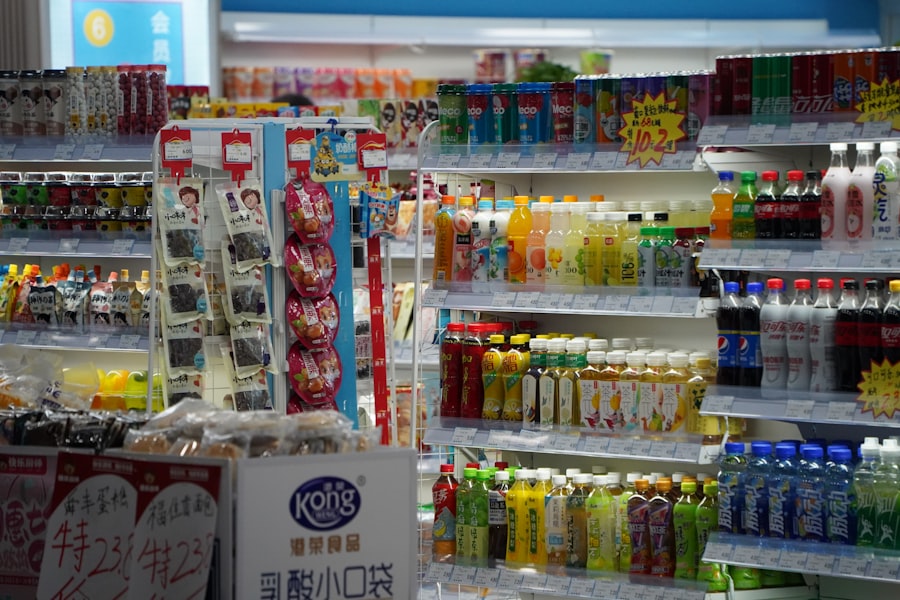
While corporate profit-seeking is a significant driver, it’s crucial to acknowledge the interplay of external factors that can either genuinely drive up costs or serve as convenient justifications for increased prices. You need to distinguish between these.
Geopolitical Events and Supply Shocks
The world is a volatile place, and events far from your local supermarket can have a direct impact on supply and, consequently, prices.
- Conflicts and Trade Disruptions: Wars, such as the conflict in Ukraine, disrupt major agricultural producers and supply routes. This creates genuine scarcity, like a clogged artery, and prices naturally rise. You would expect some price increases in these situations.
- Pandemics: The COVID-19 pandemic severely disrupted global supply chains. Labor shortages, factory closures, and transportation bottlenecks all contributed to higher operational costs for food companies, which were then passed on to you.
Climate Change and Agricultural Volatility
You are increasingly witnessing the direct impacts of climate change on food production, which creates real challenges for farmers and the wider food system.
- Extreme Weather Events: Droughts, floods, and unseasonable frosts devastate crops and livestock. This reduces yields, pushing up the price of agricultural commodities. Imagine a garden hose that frequently kinks; the water flow becomes erratic and less reliable.
- Increased Input Costs for Farmers: As weather patterns become more unpredictable, farmers may incur higher costs for irrigation, fertilizers, or pest control, which are then reflected in the prices they charge to processors.
Corporate “Price Gouging” vs. Legitimate Cost Increases
This is where the line often blurs, and you need to be discerning. When external factors drive up costs, companies do face higher expenses. However, you must question whether the subsequent price increases at the consumer level are proportionate to these cost increases, or if they are being used as an opportunity to expand profit margins.
- Exploiting Crises for Profit: During times of crisis, like a pandemic or a war, some companies are accused of using the “fog of war” or general chaos to raise prices beyond what is justified by increased costs. You might see record profits announced by food companies while consumers struggle with soaring grocery bills.
- Lack of Transparency: Corporations are not always forthcoming with detailed breakdowns of their cost increases versus their profit margins. This opacity makes it difficult for you, or indeed regulators, to determine if price hikes are truly justifiable.
Consequences for Consumers and the Economy

The ripple effects of corporate profits on food prices extend far beyond your immediate shopping experience. They touch on household budgets, societal well-being, and broader economic stability. You are not just paying more; you are experiencing a fundamental shift.
Erosion of Purchasing Power
When food prices escalate, especially for essential items, your money simply buys less. This is akin to a slow leak in your financial bucket.
- Reduced Discretionary Spending: For many households, particularly those with lower incomes, a larger portion of their budget is allocated to food. When this portion grows, there’s less money left for other essentials like housing, healthcare, or education, let alone discretionary items.
- Impact on Savings: You might find it harder to save for future goals, like retirement or a down payment, as more of your income is consumed by daily necessities.
Food Insecurity and Nutritional Compromise
Beyond financial strain, high food prices have severe implications for health and well-being.
- Trade-Offs and Budgeting: Families facing tight budgets are often forced to make difficult choices. They might opt for cheaper, less nutritious processed foods over fresh produce or proteínas simply because they are more affordable. This can lead to long-term health issues.
- Increased Reliance on Food Banks: You’ve likely seen the growing queues at food banks. High food prices exacerbate food insecurity, pushing more individuals and families into situations where they cannot reliably access sufficient, nutritious food.
Macroeconomic Implications
The impact isn’t just micro-level; it reverberates through the entire economy.
- Inflationary Pressures: When a fundamental sector like food experiences persistent price increases, it contributes significantly to overall inflation. This can trigger a wage-price spiral, where workers demand higher wages to cope, potentially leading to further price increases.
- Government Intervention and Subsidies: Faced with public outcry and rising food insecurity, governments may intervene through subsidies or price controls. While these can offer temporary relief, they represent economic distortions and often come with their own set of challenges.
The ongoing debate surrounding corporate profits and consumer food prices has garnered significant attention, especially as many families struggle to make ends meet. A recent article delves into this issue, highlighting how rising profits for food corporations often coincide with increased prices at the grocery store, leaving consumers feeling the pinch. For a deeper understanding of this complex relationship, you can read more in this insightful piece found here. This exploration sheds light on the factors driving these trends and their implications for everyday shoppers.
Potential Solutions and Your Role
| Year | Corporate Profits (Billion USD) | Consumer Food Price Index (Base Year 2010 = 100) | Annual % Change in Corporate Profits | Annual % Change in Food Prices |
|---|---|---|---|---|
| 2018 | 1800 | 105 | 5.0% | 2.0% |
| 2019 | 1850 | 107 | 2.8% | 1.9% |
| 2020 | 1700 | 110 | -8.1% | 2.8% |
| 2021 | 1950 | 120 | 14.7% | 9.1% |
| 2022 | 2100 | 130 | 7.7% | 8.3% |
| 2023 | 2200 | 135 | 4.8% | 3.8% |
You might feel overwhelmed by the sheer scale of the challenges, but there are avenues for change and ways you, as an individual and a collective, can contribute.
Regulatory Oversight and Anti-Trust Measures
Governments and regulatory bodies have a crucial role to play in fostering healthier market conditions.
- Strengthening Anti-Trust Laws: You should advocate for robust anti-trust enforcement to prevent excessive market concentration and break up monopolies or duopolies that stifle competition. This is like pruning an overgrown tree to allow healthy new branches to flourish.
- Price Transparency: Mandating greater transparency in pricing and profit margins, particularly during crises, could help you and regulators discern legitimate cost increases from opportunistic profit-taking.
- Monitoring Commodity Markets: Regulators can implement measures to curb excessive speculation in agricultural commodity markets, thereby reducing artificial price volatility.
Promoting Competition and Supporting Alternatives
You have the power to consciously support businesses that strive for ethical practices and fair pricing.
- Support Local and Small Businesses: By consciously choosing to buy from local farmers’ markets, independent grocery stores, or co-ops, you can help diversify the food system and reduce reliance on large corporations.
- Community-Supported Agriculture (CSA): Joining a CSA program directly links you to farmers, ensuring fair prices for producers and fresh produce for you, bypassing many layers of the conventional supply chain.
- Cooperative Models: Supporting consumer cooperatives, where members own and democratically control the business, can prioritize affordability and community benefits over pure profit maximization.
Consumer Advocacy and Awareness
Your voice and awareness are powerful tools for change.
- Informed Purchasing Decisions: By understanding the dynamics of food pricing, you can make more informed choices, opting for brands and retailers that align with your values.
- Collective Action: You can join consumer advocacy groups or support organizations that lobby for policies aimed at fairer food systems and responsible corporate conduct. Your collective voice is louder than your individual grumble in the supermarket aisle.
- Question and Challenge: Don’t hesitate to question price increases or corporate practices. Engaging in public discourse and demanding accountability from corporations and policymakers is crucial.
In conclusion, as you navigate the complexities of your weekly grocery shop, you are no longer simply a passive consumer. You are an active participant in a system profoundly affected by the pursuit of corporate profits. Understanding the mechanisms behind these price increases – from market consolidation and sophisticated pricing strategies to the financialization of food – empowers you to make more informed choices and advocate for a food system that serves not just corporate bottom lines, but also the health and well-being of all. The current situation is like a slowly tightening vice on your wallet, and recognizing the hands turning the screw is the first step toward loosening its grip.
FAQs
What is the relationship between corporate profits and consumer food prices?
Corporate profits and consumer food prices are interconnected but do not always move in tandem. While rising food prices can increase revenues for food companies, corporate profits also depend on factors like production costs, supply chain efficiency, and market competition.
Do higher corporate profits always mean higher food prices for consumers?
Not necessarily. Higher corporate profits can result from improved operational efficiency, cost-cutting, or product innovation rather than just raising prices. Conversely, food prices can increase due to external factors like supply shortages or inflation, which may not always translate into higher profits.
What factors influence consumer food prices?
Consumer food prices are influenced by various factors including raw material costs, transportation expenses, labor costs, weather conditions affecting crop yields, government policies, and global market trends.
How do corporate profits impact food affordability?
If corporate profits increase primarily through higher prices rather than efficiency gains, it can reduce food affordability for consumers. However, if profits grow due to innovation or cost reductions, it may not negatively affect prices.
Can government policies affect the balance between corporate profits and food prices?
Yes, government policies such as subsidies, tariffs, price controls, and regulations can impact both corporate profits and consumer food prices by influencing production costs and market dynamics.
Why is it important to monitor corporate profits in the food industry?
Monitoring corporate profits helps assess whether companies are pricing products fairly, investing in sustainable practices, and maintaining competitive markets, all of which affect consumer prices and food security.
Do global events affect corporate profits and consumer food prices?
Yes, global events like pandemics, geopolitical conflicts, and trade disruptions can impact supply chains, production costs, and demand, thereby influencing both corporate profits and consumer food prices.